
How Peace Corps Volunteer Reforms Health Care in West Africa - Clara Soh

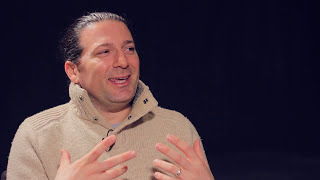
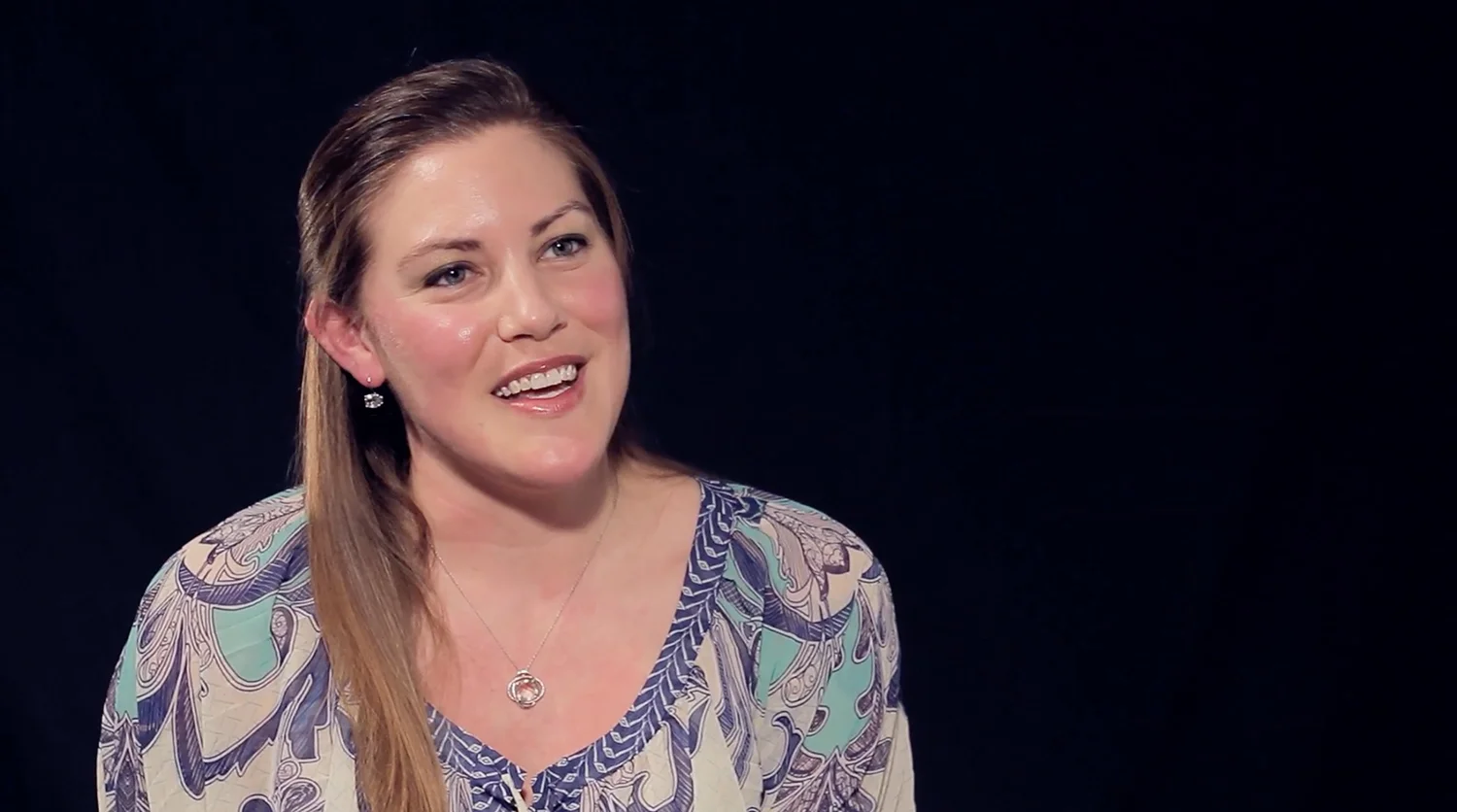
In Chapter 5 of 10 in her 2010 interview with Capture Your Flag host Erik Michielsen, health economist and comparative effectiveness researcher Clara Soh Williams discusses how her Peace Corps experience in the West African country of the Gambia allowed her to impact a national health care system. Soh's 3-year experience focuses on decentralizing the public health decision-making system. This process involves increasing district health office decision-making capacity around disease surveillance, pharmaceutical procurement and supply chain, and regionally executed mass-immunization and vaccination days. Soh holds an MPA in Public Health Finance from New York University and a BS in Molecular Biophysics and Biochemistry from Yale University.

How Peace Corps Informs Public Health Career - Clara Soh

In Chapter 4 of 10 in her 2010 interview with Capture Your Flag host Erik Michielsen, health economist and comparative effectiveness researcher Clara Soh Williams shares why she left her bench research science job to join the Peace Corps. The Peace Corps gives Soh exposure to public health working in the field with a diverse group of program peers. The experience allows Soh to transition into public health and build a career. Soh holds an MPA in Public Health Finance from New York University and a BS in Molecular Biophysics and Biochemistry from Yale University.

Why to Major in Molecular Biophysics and Biochemistry - Clara Williams

In Chapter 3 of 10 in her 2010 interview with Capture Your Flag host Erik Michielsen, health economist and comparative effectiveness researcher Clara Soh Williams shares her motivation to study molecular biophysics and biochemistry while at Yale University. Learning about Mad Cow disease teaches Soh the interdependence of understanding molecular chemical structure - taught in biochemistry - and molecular shape - taught in biophysics. Williams holds an MPA in Public Health Finance from New York University and a BS in Molecular Biophysics and Biochemistry from Yale University.

How Scientists and Politicans Can Improve Health Policy Decisions - Clara Soh

In Chapter 2 of 10 in her 2010 interview with Capture Your Flag host Erik Michielsen, health economist and comparative effectiveness researcher Clara Soh Williams shares how the late Yale biology professor Alvin Novick impacted her career. Novick, who taught biology at Yale for 48 years, teaches Williams the political implications behind scientific research and policy making. In Novick's "AIDS in Society" class, Soh learns how science is anything but colorblind. By teaching scientists, politicians, and policy makers about each other's motivations and priorities, Soh learns how to increase epidemic response mobilization effectiveness. Soh holds an MPA in Public Health Finance from New York University and a BS in Molecular Biophysics and Biochemistry from Yale University. Read more about Professor Novick's career here.

How Health Economist Finds Purpose in a Social Science Career - Clara Soh

In Chapter 1 of 10 in her 2010 interview with Capture Your Flag host Erik Michielsen, health economist and comparative effectiveness researcher Clara Soh Williams addresses health care issues in a social science career. Soh highlights how economics allows her to look at scientific and health care issues in a social environment. For example, this may include comparing treatment effectiveness of two drugs based on not only scientific factors but also social factors. Soh holds an MPA in Public Health Finance from New York University and a BS in Molecular Biophysics and Biochemistry from Yale University.

How Oxford PhD Studies Shape Conservation Biology Career - Alayne Cotterill

In Chapter 13 of 13 in her 2010 interview with Capture Your Flag Host Erik Michielsen, wildlife biologist and Oxford University Lady Margaret Hall PhD candidate Alayne Cotterill details what it was like returning to school after years doing field work across Africa. Cotterill benefits by deadline-driven learning, adding new tools such as statistics and data modeling to improve her conservation biology field research. Learn more about Alayne's work at http://www.lionconservation.org. Learn more about Lady Margaret Hall at http://www.lmh.ox.ac.uk/.

How Lion Field Work Informs Oxford PhD Research - Alayne Cotterill

In Chapter 12 of 13 in her 2010 interview with Capture Your Flag Host Erik Michielsen, wildlife biologist and Oxford University Lady Margaret Hall PhD candidate Alayne Cotterill shares how she applies field work studying lions to her doctorate research. Cotterill emphasizes the importance of using field research to ask the right questions when designing a PhD and following this up with the necessary academic training and field research. Learn more about Alayne's work at http://www.lionconservation.org. Learn more about Lady Margaret Hall at http://www.lmh.ox.ac.uk/.

How Female Biologist Earns Peer Respect in Male Dominated Industry - Alayne Cotterill

In Chapter 11 of 13 in her 2010 interview with Capture Your Flag Host Erik Michielsen, wildlife biologist Alayne Cotterill shares how she developed peer respect and support working in a male dominated African conservation biologist world. She prioritizes not becoming masculine and quietly asserts herself, staying tough and refraining from showing weakness. Over time, the quiet confidence earns Cotterill support. Often isolated from human interaction, Cotterill turns to humor and writing to engage her family support network and help her through difficult times. Learn more about Alayne's work at http://www.lionconservation.org.

How Project Design Informs Conservation Biology Career - Alayne Cotterill

In Chapter 10 of 13 in her 2010 interview with Capture Your Flag Host Erik Michielsen, wildlife biologist Alayne Cotterill shares why designing a project from scratch, from concept to funding to execution, has been a major milestone in her wildlife biologist career development. Cotterill, a conservation biologist who studies large animal behavior, including lions, details how working in the African bush necessitates adaptability in her project work. Learn more about Alayne's work at http://www.lionconservation.org.

How Ecology Masters Degree Helps Wildlife Biologist Research Career - Alayne Cotterill

In Chapter 9 of 13 in her 2010 interview with Capture Your Flag Host Erik Michielsen, wildlife biologist Alayne Cotterill shares how a short research project studying rotting skulls in Zimbabwe led her to leave a tourism career for a masters degree graduate program focused on research. Studying at the University of Zimbabwe Tropical Resource Ecology Department, Cotterill expands her scope of work beyond human wildlife conflict to include large carnivore behavior and ecology as well as endangered species conservation and wildlife economics. Learn more about Alayne's work at http://www.lionconservation.org.

How Does It Feel to Be Charged by a Wild African Lion - Alayne Cotterill

In Chapter 8 of 13 in her 2010 interview with Capture Your Flag Host Erik Michielsen, wildlife biologist Alayne Cotterill shares what it feels like when getting charged by a wild African lion in the her field work. The initial chilling experience, accompanied by an endorphin buzz and rush of adrenaline, pairs with a progressive understanding of lion behavior. While dangerous, lions assess situations and make decisions based on several factors. They do not intent to harm and, as Cotterill has found, as long as not scared or surprised, the lions back down before striking during a charge. Learn more about Alayne's work at http://www.lionconservation.org.

How Surviving Charging Lions Teach Wildlife Biologist Inner Strength - Alayne Cotterill

In Chapter 7 of 13 in her 2010 interview with Capture Your Flag Host Erik Michielsen, wildlife biologist Alayne Cotterill shares what working with lions in the African bush has taught her about herself. Standing up to charging prides of lions regularly gives Cotterill confidence when working through stressful or fearful situations. She develops a respect for the big cats' traits and behaviors, appreciating both the social and affectionate side as well as the ruthless and primal one. Learn more about Alayne's work at http://www.lionconservation.org.

Why College Graduates Should Network With Confidence - Alayne Cotterill

In Chapter 6 of 13 in her 2010 interview with Capture Your Flag Host Erik Michielsen, wildlife biologist Alayne Cotterill details how she landed her first conservation job working with lions in the African wild. As a young twenty-something, Cotterill exerts confidence speaking with others at a cocktail party and is rewarded with a fully funded project opportunity. Learn more about Alayne's work at http://www.lionconservation.org.

Building a Biology Career Working With Wild African Lions - Alayne Cotterill

In Chapter 5 of 13 in her 2010 interview with Capture Your Flag Host Erik Michielsen, wildlife biologist Alayne Cotterill discusses her career development working with wild African lions. To date, Cotterill has tracked and captured nearly 200 lions in her conservation efforts. By studying and tracking lions, Cotterill learns to focus in the moment and channel the resulting intensity into performance. The experience aggregation resulting from her consistent efforts also create learning moments and opportunities that propel her career forward. Learn more about Alayne's work at http://www.lionconservation.org.

How Initiative Can Create Breakthrough Career Moments - Alayne Cotterill

In Chapter 4 of 13 in her 2010 interview with Capture Your Flag Host Erik Michielsen, wildlife biologist Alayne Cotterill details a breakthrough career moment - using initiative to move from an entry-level safari guide job into a national park animal search and capture team. Animal lover Cotterill accepts the opportunity and the adventure - flying across African national parks spotting rhinos - that comes with it. Ultimately, Cotterill builds upon this experience in her work across Africa with rhinos, elephants, lions and other large animals. Learn more about Alayne's work at http://www.lionconservation.org.

How Work Experience Can Change Personal Ethics and Values - Alayne Cotterill

In Chapter 3 of 13 in her 2010 interview with Capture Your Flag Host Erik Michielsen, wildlife biologist Alayne Cotterill shares how field experience shifted her views away from an idealistic, preservationist stance to a more pragmatic one. Cotterill cites experience working within rural populations and seeing, for example, the value hunting provides to the people that must work and live within the rules. She learns one cannot blanket disagree with something that gives so much value to wildlife. Learn more about Alayne's work at http://www.lionconservation.org.

How Wildlife Biologist Dream Job Becomes Reality - Alayne Cotterill

In Chapter 2 of 13 in her 2010 interview with Capture Your Flag Host Erik Michielsen, wildlife biologist Alayne Cotterill compares career expectations and realities working as a wildlife biologist in Africa. Cotterill finds her career as fulfilling and satisfying as imagined, comparing the feeling to coming home. As a child, Cotterill immersed herself in wildlife biologist writing. Her career leads her to embrace the challenge and difficulty of the work as enjoyable parts of the process. Learn more about Alayne's work at http://www.lionconservation.org.

How Animal Lover Builds Biology Career Working in Africa - Alayne Cotterill

In Chapter 1 of 13 in her 2010 interview with Capture Your Flag Host Erik Michielsen, wildlife biologist Alayne Cotterill shares how her early love for animals informed her biology career development. As a university biology major, Cotterill focuses attention on ecology and the bigger picture and connected elements it covers. Over time, she moves to Africa to begin working with large animals, including lions, rhinos, and elephants, in their natural habitat. Learn more about Alayne's work at http://www.lionconservation.org.