


How to Build a Business Case for African Wildlife Conservation - Josep Oriol

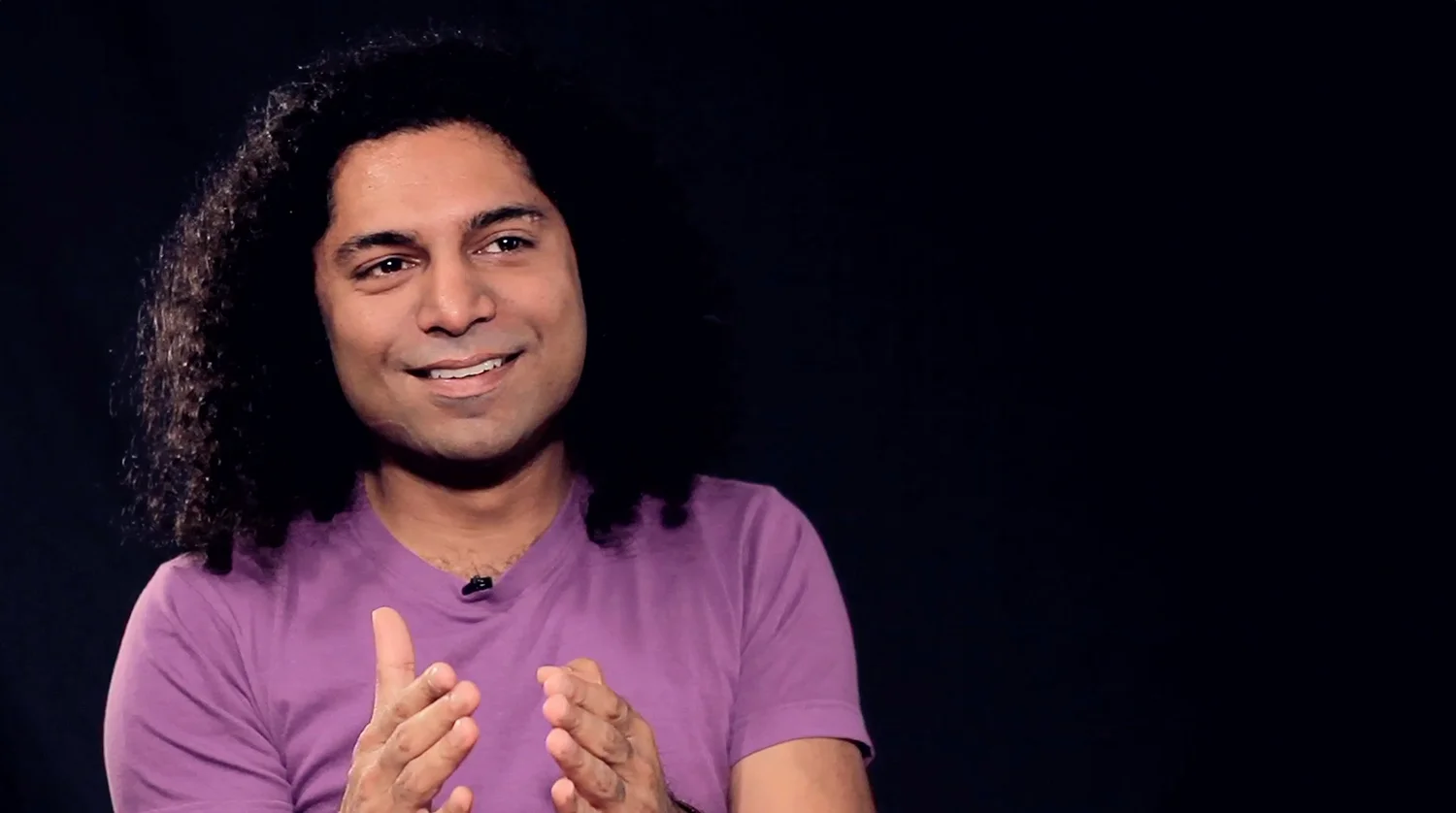
In Chapter 11 of 11 in his 2010 interview with Capture Your Flag host Erik Michielsen, East African venture capitalist and conservation investor Josep Oriol details the economic and cultural challenges putting a sustainable East African conservation industry in place. A macroeconomic divide exists, specifically a gap between the limited present value of wildlife conservation and the future value calculated by including inputs such as tourism and biodiversity enabled growth. Oriol highlights the tension between for-profit and non-profit organization leadership on establishing a conservation strategy and the negative impact the discord has on sub Saharan Africa's future economic growth and development.

How Venture Capitalist Uses Finance Skills in Wildlife Conservation - Josep Oriol

In Chapter 10 of 11 in his 2010 interview with Capture Your Flag host Erik Michielsen, East African venture capitalist and conservation investor Josep Oriol details how he acts as an interpreter between a business culture and a wildlife conservation effort. Oriol recognizes an extractive nature of business not focused on environmental sustainability and the resulting conservationist mistrust of businesspeople. Oriol then uses his business skills, namely financial management tools, to help wildlife conservation efforts be more sustainable and economically viable.

How East Africa Investment Creates New Type of Role Model - Josep Oriol

In Chapter 9 of 11 in his 2010 interview with Capture Your Flag host Erik Michielsen, East African venture capitalist and conservation investor Josep Oriol shares how private sector, for-profit investing can create a next generation of role models by building business success stories. Oriol is a graduate of the MBA program at the Duke University Fuqua School of Business.

How Venture Capitalist Defines East Africa Economic Potential - Josep Oriol

In Chapter 8 of 11 in his 2010 interview with Capture Your Flag host Erik Michielsen, East African venture capitalist and conservation investor Josep Oriol shares why he believes East Africa is full of transformational investment potential. He cites three factors. One, given the small economic footprint, large impact investment opportunities exist. Two, modernization opportunities exist across existing resource constrained infrastructure, including public health and education. Three, East Africa development offers a promise of advancement that can promote cultural change. Oriol highlights how this can increase population hope and self confidence by shifting aspirations away from football stars and politicians to new careers options previously not understood or thought possible.

How Boy Scout Experience Informs Conservation Career - Josep Oriol

In Chapter 7 of 11 in his 2010 interview with Capture Your Flag host Erik Michielsen, East African venture capitalist and conservation investor Josep Oriol shares how solving problems as a young Boy Scout taught him early on to leave the world a better place than he found it. Oriol applies this approach in his East African conservation work in Kenya.

How to Do Business in a Non-Business Setting - Josep Oriol

In Chapter 6 of 11 in his 2010 interview with Capture Your Flag host Erik Michielsen, East African venture capitalist and conservation investor Josep Oriol shares his approach to doing business around non-business professionals. Oriol finds it key to identify what matters to the local population, including respecting their time, energy, and passion, as well as to be sensitive when using business language. By taking this approach, Oriol builds business relationships with initially hesitant non-business people.

What Children Learn Growing Up in African Savanna - Josep Oriol

In Chapter 5 of 11 in his 2010 interview with Capture Your Flag host Erik Michielsen, East African venture capitalist and conservation investor Josep Oriol elaborates on his decision to raise a family in Kenya's bush Safari countryside. Oriol contrasts this experience with a traditional Western mindset, noting how lessons of risk and responsibility, learning about nature and wildlife firsthand and engaging a resource challenged rural population give the kids an understanding of privilege and sense of purpose.

Why Operations Experience is Useful in a Venture Capital Career - Josep Oriol

In Chapter 4 of 11 in his 2010 interview with Capture Your Flag host Erik Michielsen, East African venture capitalist and conservation investor Josep Oriol shares why operations experience is useful in providing value in a venture capital career. Operations experience helps Oriol structure and manage growth and planning as well as manage the personal relationships that come with fast pace and high stress that comes with early stage companies.

How MBA Tools and Network Enable Career Development - Josep Oriol

In Chapter 3 of 11 in his 2010 interview with Capture Your Flag host Erik Michielsen, East African venture capitalist and conservation investor Josep Oriol shares how his MBA experience at the Duke University Fuqua School of Business has propelled his career. He cites two key enablers. First, the tool box he acquires through classes help him understand high level business fundamentals, including finance, operations, and marketing. Second, the business network he builds while at school proves helpful making connections to acquire necessary advice and contacts used in achieving goals.

How Venture Capital Investor Helps Early Stage Companies - Josep Oriol

In Chapter 2 of 11 in his 2010 interview with Capture Your Flag host Erik Michielsen, East African venture capitalist and conservation investor Josep Oriol highlights why he enjoys his work as an early stage venture capitalist. Oriol highlights working with ambitious, passionate company founders who are building revenue generating firms and need support. In his venture capitalist role, Oriol finds he can support entrepreneurs most by providing financial advisory support, namely around cash flow management, forecasting, and budgeting.

How MBA Degree Helps Former Lawyer Build a Business Career - Josep Oriol

In Chapter 1 of 11 in his 2010 interview with Capture Your Flag host Erik Michielsen, East African venture capitalist and conservation investor Josep Oriol shares why he left law school to pursue an MBA at Duke University's Fuqua School of Business. Oriol sees a lawyer role to help business owners go from point A to point B in most efficient, lawful way. As a lawyer, Oriol wanted to advise companies where to go, in effect to be his lawyer's client. This desire takes him back to business school.

How to Sell a Product That Does Not Yet Exist - Maurizio de Franciscis

In Chapter 19 of 19 in his 2010 Capture Your Flag interview with host Erik Michielsen, education entrepreneur and Global Campus (www.globalcampus.com) founder Maurizio de Franciscis shares how to sell customers a product that does not yet exist. He prioritizes providing prospective clients a visible representation, as he finds this builds credibility and overcomes objections. He pairs this with a clear understanding of facts, story, and needs analysis. Before founding Global Campus, de Franciscis worked at General Electric. He graduated from Universita degli Studi di Roma - La Sapienza - and earned his MBA from INSEAD.

Why There is No One Right Answer When Making Life Decisions - Maurizio de Franciscis

In Chapter 18 of 19 in his 2010 Capture Your Flag interview with host Erik Michielsen, education entrepreneur and Global Campus (www.globalcampus.com) founder Maurizio de Franciscis shares why trial and error is the best approach not only in entrepreneurship, but also in life in general. De Franciscis highlights there is no one right answer in life. He notes the only answer that exists is the one you give and the only way to learn is to sense your way through making the decisions shaping our lives. Before founding Global Campus, de Franciscis worked at General Electric. He graduated from Universita degli Studi di Roma - La Sapienza - and earned his MBA from INSEAD.

Why Governments Should View Education as an Asset - Maurizio de Franciscis

In Chapter 17 of 19 in his 2010 Capture Your Flag interview with host Erik Michielsen, education entrepreneur and Global Campus (www.globalcampus.com) founder Maurizio de Franciscis shares why governments should view education as an asset and how they can use it to attract the most talented people to their countries. Just as companies market and recruit to attract top talent, governments need to work with universities to attract top students. Before founding Global Campus, de Franciscis worked at General Electric. He graduated from Universita degli Studi di Roma - La Sapienza - and earned his MBA from INSEAD.

How Global Education Model Changes How the World Learns - Maurizio de Francisis

In Chapter 16 of 19 in his 2010 Capture Your Flag interview with host Erik Michielsen, education entrepreneur and Global Campus (www.globalcampus.com) founder Maurizio de Franciscis shares how he built a business case to unite developing country governments and their top high school students with a global university and corporate sponsor network. By putting talent in touch with opportunity, collaboration happens automatically. The Internet enables this collaboration by creating an online marketplace and providing the matchmaking communication to allow participant needs to be met and value to be exchanged. Before founding Global Campus, de Franciscis worked at General Electric. He graduated from Universita degli Studi di Roma - La Sapienza - and earned his MBA from INSEAD.

How to Solve Developing Country University Capacity Problems - Maurizio de Franciscis

In Chapter 15 of 19 in his 2010 Capture Your Flag interview with host Erik Michielsen, education entrepreneur and Global Campus (www.globalcampus.com) founder Maurizio de Franciscis shares why developing countries do not have the capacity to provide college education to their people and what can be done about it. De Franciscis highlights how his company Global Campus is working with developing nation governments and top global universities to match qualified students to recruiting schools. De Franciscis works with corporate sponsors to then recruit students across the university network back to work in their home country or region.

How Education Enables Social Justice in a Knowledge Economy - Maurizio de Franciscis

In Chapter 14 of 19 in his 2010 Capture Your Flag interview with host Erik Michielsen, education entrepreneur and Global Campus (www.globalcampus.com) founder Maurizio de Franciscis shares how education is the first step to social justice in a progressively global knowledge economy. Education is about empowering individuals to participate and creating a global meritocracy. He highlights the increasing importance of education and the need to evenly distribute college education opportunity access globally. Before founding Global Campus, de Franciscis worked at General Electric. He graduated from Universita degli Studi di Roma - La Sapienza - and earned his MBA from INSEAD.

How to Be a Change Agent By Thinking and Acting Independently - Maurizio de Franciscis

In Chapter 13 of 19 in his 2010 Capture Your Flag interview with host Erik Michielsen, education entrepreneur and Global Campus (www.globalcampus.com) founder Maurizio de Franciscis shares how he decided what mattered to him and channeled his energy to achieve it. As a change agent, de Franciscis tries to make change happen by looking past outsider expectations and associated anxiety inducing cultural pressures. Instead, he views life as a game with a clear endpoint and starts playing to actualize his ambition with Global Campus. Before founding Global Campus, de Franciscis worked at General Electric. He graduated from Universita degli Studi di Roma - La Sapienza - and earned his MBA from INSEAD.