


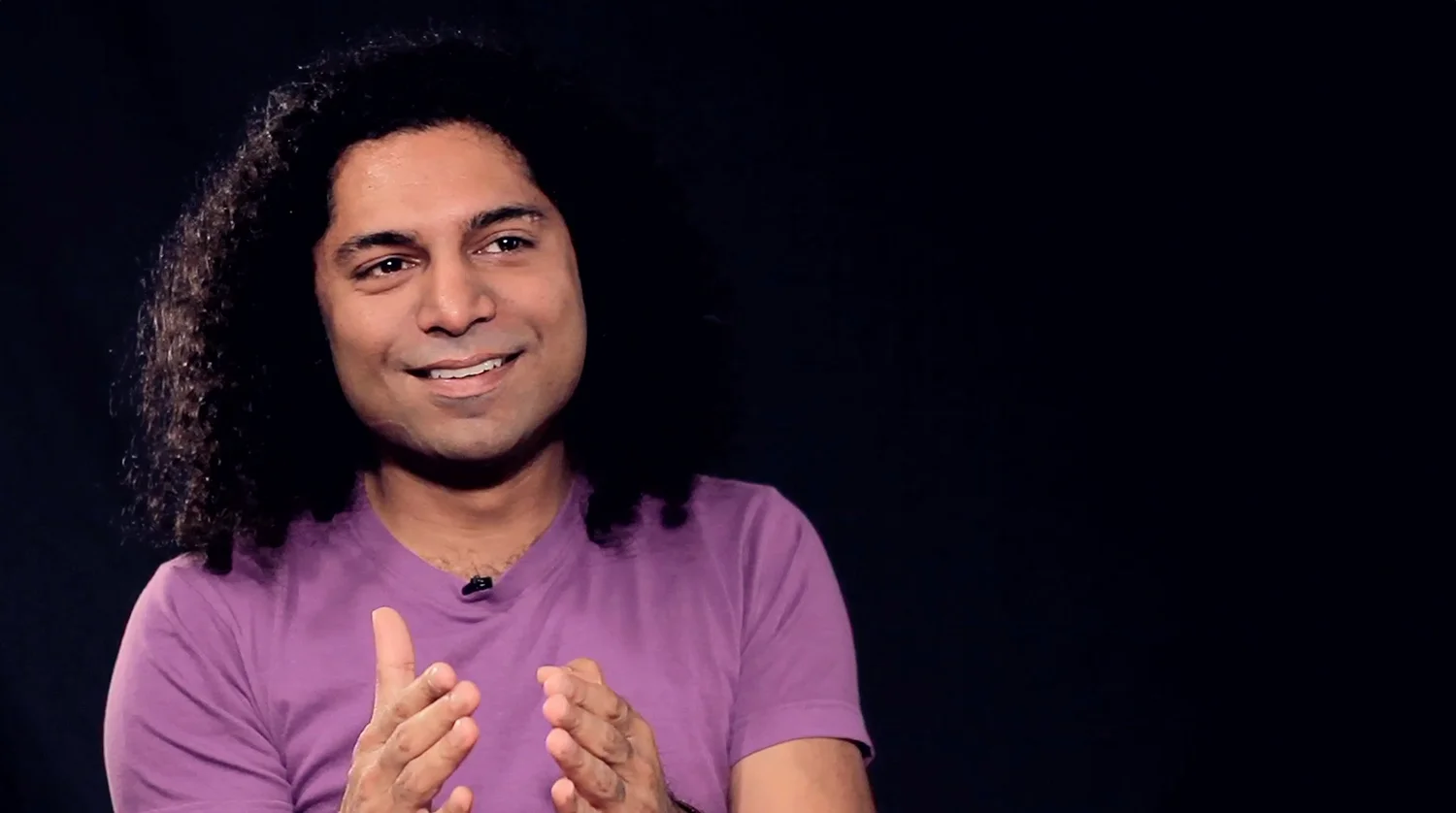
Jullien Gordon on How to Achieve Success by Aligning Purpose to Career

In Chapter 1 of 14 of his 2010 Capture Your Flag interview, motivation teacher Jullien Gordon aspires to help others better identify and align purpose to professional goals. Gordon does this by helping others make ideas happen by providing a 30-day goal support framework. Gordon finds inspiration in studying clarity of purpose in growing up with an alcoholic parent rich with material goods but lacking in fulfillment. He builds upon this focus by creating methodologies, including a "30-Day Do It" framework to help others execute on ideas and achieve incremental goals in set time periods. Gordon earned both an MBA and Masters in Education at Stanford University and a BA from UCLA.

Transcript:

Erik Michielsen: To what do you aspire?

Jullien Gordon: There’s two things. One is to help as many people as possible get clarity on their purpose and align that with their profession, since I think our profession is what we spend so much of our core life and that’s where we have to make our highest contribution and then secondly is to - in the concept of the New Years Resolution, introduce this idea of the New Month Resolution where people set goals and community every single month.

Erik Michielsen: What was the genesis of those two core goals?

Jullien Gordon: Having an alcoholic parent who had a three story house, Mercedes Benz, all that and seeing them still feel empty and so that’s where the purpose and the profession piece came in, where it’s like you can these notions of success and chase these things that people deem successful and still feel empty inside. So at an early age my notions of success got challenged and it made me just think differently about success and start defining it for myself. Next for the Thirty Day Do It Movement, which is the goal setting – nation wide goal setting movement, it was really all about people just having great ideas and not getting done.

It frustrates me so much when people are talking about all the great ideas that they have and the next call you get on with them and it’s just a new great idea and then it’s another one and another one and I really just want to see people move aggressively – not aggressively but progressively towards what ever it is that they truly, truly want in the depth of their heart.

How Fulbright Scholar Overcomes Anti-Americanism Abroad - Adam Carter

In Chapter 16 of 16, micro-philanthropist and humanitarian Adam Carter earns a Fulbright Scholarship and travels to Spain to pursue his studies. On the anniversary of 9/11, Carter finds himself in Morocco confronted by Anti-American sentiment. Carter asks these individuals to respect his opinion and not stereotype based on his nationality. This approach allows the conversation to be human, not political. The respect also opens dialogue to discuss challenging topics such as politics and religion once the individual bond is made. Carter continues to travel the world as founder of non-profit Cause and Affect Foundation (www.causeandaffectfoundation.org).

Why to Prioritize Patience When Building Your Career - Adam Carter

In Chapter 15 or 16, micro-philanthropist and humanitarian Adam Carter meets a Tasmanian attorney traveling the Middle East in 1998 who teaches him the value of patience in building a career. Carter, uncertain and stressed about his own career, finds wisdom in the attorney's words, specifically the need to understand what you want before jumping into a career. Carter uses this experience to continue cultivating his experiences and shaping them into his own micro-philanthropy career. Along the way, Carter creates the Cause and Affect Foundation (www.causeandaffectfoundation.org).

How to Resist Peer Pressure When Starting a Career - Adam Carter

In Chapter 14 or 16, micro-philanthropist and humanitarian Adam Carter shares how he has managed peer pressure and pressure to conform when carving his own, non-traditional career path. Upon graduating the University of Michigan in 1996, Carter opts to travel the world for several years, financing his travels through fund raising and a summer job selling beer at Chicago Cubs and Chicago White Sox baseball games. Viewed by many as not having direction, Carter continues his travel and, over time, evolves into graduate school at George Washington University and, then, a non-profit micro-philanthropy career financing communities projects.

Why Prioritize Passion Over Security Crafting Your Career - Adam Carter

In Chapter 13 or 16, micro-philanthropist and humanitarian Adam Carter shares how his non-traditional approach to career development has allowed him to pursue his passions. Carter sacrifices security and chooses instead to pursue his passion by working four months a year as a Chicago Cubs and White Sox beer vendor and traveling the world eight months a year as a micro-philanthropist. Carter suggests young professionals to follow their passion first and build a career from there. It is risky, but, as Carter highlights, it is also rewarding.

How to Win Parents Support for Non-Traditional Career Path - Adam Carter

In Chapter 12 or 16, micro-philanthropist and humanitarian Adam Carter highlights the importance of involving one's parents in the process of defining a career, especially a non-traditional one. Carter learns early that continuous communications, inclusiveness, and sharing with his parents creates a supportive, versus a combative, relationship built on trust and understanding. This gives Carter the confidence necessary to develop a non-traditional career built on a cultural anthropology education and extensive international travels. Carter, a micro-philanthropist, founded the Cause and Affect Foundation (www.causeandaffectfoundation.org). He also is a beer vendor at Chicago Cubs and White Sox baseball games each summer.

How Approachability Improves Non-Profit Field Work - Adam Carter

In Chapter 11 or 16, micro-philanthropist and humanitarian Adam Carter shares why he resists formal dress when introducing himself to local communities scoping non-profit project financing opportunities. Through experience as a travel guide writer and as a micro-philanthropist, Carter finds dressing casually and playing down appearance - in many cases shorts and tank top - provides an unassuming but heartfelt connection with communities. Carter finds himself not seen as a checkbook, but rather an individual genuinely interested in community challenges. As a result, Carter gets a better perspective and is able to identify and, in many cases, finance projects he might not have discovered by dressing formally and announcing his position. Carter is the founder of the non-profit Cause and Affect Foundation (www.causeandaffectfoundation.org).

How Immersive International Travel Teaches the Golden Rule - Adam Carter

In Chapter 10 or 16, micro-philanthropist and humanitarian Adam Carter graduates the University of Michigan and travels extensively across the world. Carter immerses himself in cultures across races, nationalities, and socioeconomic classes and, through the process, sees them as equals. As an equal, Carter then gets a better understanding of the roots contributing to impoverished communities and cultures. From this, Carter begins working through ways to create solutions to these problems, over time moving on to create Cause and Affect Foundation (www.causeandaffectfoundation.org) and become a micro-philanthropist.

How South Asian Archeaology Class Informed Anthropology Career - Adam Carter

In Chapter 9 or 16, micro-philanthropist and humanitarian Adam Carter derivates from his cultural anthropology major to take South Asian Archeology at University of Michigan. There, he learns the formative historical and cultural ties developed through urban city development and planning. City culture and urban development go on to play a major role in Carter's life as he travels the world as a micro-philanthropist for his Cause and Affect Foundation (www.causeandaffectfoundation.org).

Why Communities Need Local Heroes - Adam Carter

In Chapter 8 of 16, micro-philanthropist and humanitarian Adam Carter gets humbled time after time meeting local heroes, individuals who recognize a need in a community and act upon it. Rarely recognized or publicized, these individuals do little things to make a difference. Carter, in his work with Cause and Affect Foundation (www.causeandaffectfoundation.org) is a regular witness to these good deeds and, as a result, gets inspired to continue serving communities.

How Crowd Funding Donors Star in Micro-Philanthropy Story - Adam Carter

In Chapter 7 of 16, micro-philanthropist and crowd funding expert Adam Carter shares how each local investment he makes across underserved global communities is rooted in crowd funded participation. This element informs the narrative and evolving story behind his approach serving those in need across the globe. Carter, founder of the Cause and Affect Foundation (http://www.causeandaffectfoundation.org/), raises money from donors and travels the world each year to identify and finance local underfunded or undiscovered projects. Carter in effect takes his donors with him, allowing them to participate through his actions financing local projects to better individual and community wellbeing.

How Learning Local Culture Focuses Orphanage Non-Profit Investment - Adam Carter

In Chapter 6 of 16, micro-philanthropist and humanitarian Adam Carter shares how learning local Cambodian culture while working with orphanages separates real local needs from a Westerner perceived needs view. Asking why there are no mattresses, Carter learns children do not lack mattresses - many had been donated; rather, they do not sleep on mattresses. Carter uses this new found knowledge to redirect his investigation and identify a local need for kitchen supplies, whereupon he uses his Cause and Affect Foundation (http://www.causeandaffectfoundation.org/) funds to buy the orphanage kitchen supplies, in effect its own "Oprah Dream Kitchen."

Creating Solutions to Fight Child Malnutrition in Latin America - Adam Carter

In Chapter 5 of 16, micro-philanthropist Adam Carter discusses the origination and execution of several Latin American child malnutrition aid projects. In each, Carter works with local community groups to gather information, identify nutrition or operational gaps, and finance a project to affect positive change. From Brazil to Guatemala, Carter and his Cause and Affect Foundation (http://www.causeandaffectfoundation.org/) has collaborated with hospitals and helped finance programs ranging from baby formula to sanitation to hot lunch.

How Micro-Philanthropy Projects Complement NGO Efforts - Adam Carter

In Chapter 4 of 16, micro-philanthropist Adam Carter shares how his small, focused humanitarian project financing efforts complement work done by institutional non-governmental organizations (NGO). Carter highlights an instance in a Rio de Janeiro favela shanty town. A Dutch NGO purchases drums for a children's music class. Carter, noticing unmet demand, finances purchase of fifty new drums needed to increase class size by fifty students. The efforts shows how micro-philanthropic organizations such as Carter's Cause and Affect Foundation (http://www.causeandaffectfoundation.org/) serve those in need.

Live or Die Child Poverty Outreach in Brazilian Favela Slums - Adam Carter

In Chapter 3 of 16, micro-philanthropist and Cause and Affect Foundation (http://www.causeandaffectfoundation.org/) founder Adam Carter shares why Brazilian shanty town favelas offer a pure win or lose view into community philanthropy efforts. Failure to engage children early translates into high potential they will enter the drug trade and die young. Community programs and education initiatives provide favela children opportunities for hope and achievement. Based on experience working in several favelas, Charter shares that kids not engaged in these programs are all-too-easily lured into the drug trade, sometimes by the age of ten, beginning a downward spiral that often leads to death by age 25.

What Does It Mean to Be a Humanitarian - Adam Carter

In Chapter 2 of 16, micro-philanthropist Adam Carter provides his definition of what it means to be a humanitarian. Carter urges individuals to look beyond defining the word based on humanitarian organizations and think more about the word root, specifically the common humanity amongst society members. By acting on this common bond, built upon equal rights and shared fears, desires, and experiences, Carter captures the meaning of humanitarian purpose. Carter has been pursuing humanitarian work since graduating from the University of Michigan and is the founder of non-profit foundation Cause and Affect (http://www.causeandaffectfoundation.org/).

How Micro-Philanthropy Helps 80-Year Old Man Rebuild His Home - Adam Carter

In Chapter 1 of 16, micro-philanthropist and humanitarian Adam Carter finds clarity of purpose while rebuilding an elderly man's El Salvador home after a mudslide. Carter looks for the most direct way to support those in need by partnering with or complementing existing organizations, including non-governmental organizations (NGOs). In effect, Carter seeks and identifies overlooked or underserved opportunities to contribute, in this case pooling local labor resources and investing his non-profit's funds - in this case $300 - to rebuild the house of an 80-year old man, Senor Montoyo, after a mudslide catastrophe. Carter has been developing a micro-philanthropy career for over a decade and is the founder of non-profit foundation Cause and Affect (http://www.causeandaffectfoundation.org/).

Why to Pursue a Joint MBA and MPH Degree - Michael Olsen

In Chapter 16 of 16, social entrepreneur and technology consultant Michael Olsen finds his passion by starting and developing non-profit Kilifi Kids (www.kilifikids.org). The intersection of developing world scope, public health, and technology captures his interest and Olsen decides to immerse himself further in these areas by pursuing a joint Masters of Public Health (MPH) and Masters of Business Administration (MBA) from Emory University in Atlanta.