How to Make a Memorable First Impression - Richard Moross

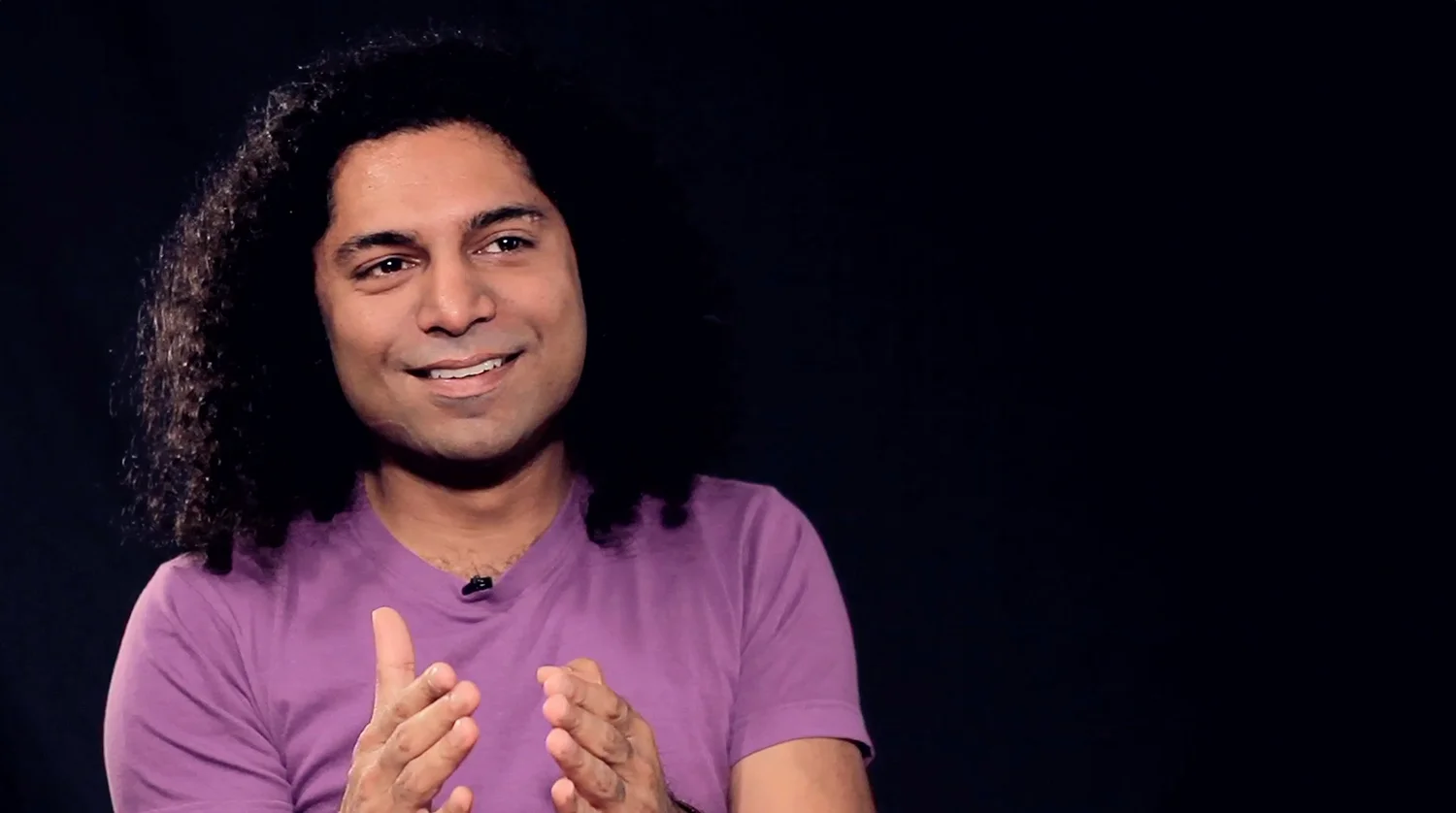
In Chapter 7 of 17, entrepreneur, innovator and Moo.com founder Richard Moross shares how he made a memorable first impression by wearing a black shirt, every day, for ten years. Moross was able to familiarize himself to other before meeting them by creating a story around his "black shirt only" wardrobe. More importantly, beyond the two-dimensional Internet, Moross finds that those that do well in life know how to engage in the real world.

Why to Value Personal Identity Over Social Expression - Richard Moross

In Chapter 8 of 17, entrepreneur, innovator and Moo.com founder Richard Moross starts a business about personal expression. Over time, social expression became dominant over personal and professional identity. Listening to customers, Moross finds identity fundamental to the business, akin to how, as a creator, a tailor develops a relationship with a customer.

Why Business Cards Remain Relevant - Richard Moross

In Chapter 9 of 17, entrepreneur, innovator and Moo.com founder Richard Moross shares his thoughts on why business cards are gaining, not losing, traction as Internet culture and mobile communication grow. The business card format, now nearly 300 years old, lasts because it presents a genuine, accepted, battery and firmware free "This is Me" means to express oneself and inform others. Speaking from Austin, Texas while attending the South By Southwest Interactive (www.sxsw.com) conference, a premier Internet and technology gathering, Moross sees an increasing importance and intimacy in real world and personal interaction as our lives become more virtualized.

How Mistake Enables Innovative Customer Service Apology - Richard Moross

In Chapter 10 of 17, entrepreneur, innovator and Moo.com founder Richard Moross shares why mistakes and apologies matter. If you are not making mistakes, you are not trying anything new, Moross notes. He references Esther Dyson and her motto to always make new mistakes. More importantly, Moross highlights the importance of apologizing and how the apology enables a humanizing reconnection. Moross' company, Moo (www.moo.com) takes a unique approach to solving an ordering mistake by creating a character, Little Moo, to communicate with customers and build a bond. The approach wins over customers, who appreciate not only the openness to admitting fault but also the creative means by which it is done.

Why Loving What You Do Each Day Defines Success - Richard Moross

In Chapter 11 of 17, entrepreneur, innovator and Moo.com founder Richard Moross measures success by how much he loves what he does each day. Moross points out that working is hard. If you can love it and wake up and go to bed each day smiling and happy, that is success. Moross notes enabling factors include creating great things people love as well as working with people you love.

How Flickr Helps Unlock Customer Relationship Value - Richard Moross

In Chapter 12 of 17, entrepreneur, innovator and Moo.com founder Richard Moross answers how he unlocks value with customers by creating emotional connections and relationships. Moross learns from early partner Flickr (www.flickr.com) that providing tools that enable storytelling and sharing creates an openness that allows the customer to participate. Over time, Moo continues embracing customer feedback and two-way communication in product development efforts while listening as much as possible. As a result, the relationship enables loyalty.

How Entrepreneur Transitions from Founder to Manager - Richard Moross

In Chapter 13 of 17, entrepreneur and Moo (www.moo.com) founder Richard Moross shares lessons learned about his sociological and behavioral development while building his business over a six-year period. Moross highlights the transition from an instinctual, energetic, passionate role as company founder to a more composed, relaxed and calculated role as manager. The transformation plays a huge role in Moross' personal and professional development and complements an his increasingly refined communications skills.

How Running a Startup is Like Managing a Baseball Team - Richard Moross

In Chapter 14 of 17, entrepreneur, innovator and Moo.com founder Richard Moross highlights how the staffing needs of his London-based company have evolved as the company has grown. Moross hires generalists who set the tone for culture. Now, at 50 people, the company needs infrastructure, process, and professional managers owning responsibilities by division. Moross takes a note from baseball managers, learning that the pitcher that starts the game rarely is the one that finishes it.

How Internet Startup Job Teaches Resiliency - Richard Moross

In Chapter 15 of 17, entrepreneur, innovator and Moo.com founder Richard Moross joins a London-based Internet startup in 2000. As the business encounters insurmountable challenges and winds down, Moross picks up more responsibility and pushes himself to learn the various job roles required in an Internet start up. In the end, he walks away with a diversified skill set and an understanding of the positive elements associated with failure.

How CEO Learns by Trial and Error - Richard Moross

In Chapter 16 of 17 of his 2010 Capture Your Flag interview with host Erik Michielsen, entrepreneur, innovator and Moo.com CEO Richard Moross learns to prioritize and order responsibilities as his leadership experience grows. The trial and error experience builds over time and allows Moross to filter less important tasks from more pressing ones.  Moross is founder and CEO of Moo.com.  Before starting Moo.com, an award-winning online print business, Moross was a senior design strategist at Imagination, the world's largest independent design company.  He graduated from the University of Sussex, where he majored in philosophy and politics.

Why Daydreaming is Important When Choosing a Career - Richard Moross

In Chapter 17 of 17 of his 2010 Capture Your Flag interview with host Erik Michielsen, entrepreneur, innovator and Moo.com founder Richard Moross reflects on his many days staring out the window in class, daydreaming about things other than his college philosophy, art, and politics classes. Moross looks to finds comfort defining his own systems and agenda, which pushes him to be an entrepreneur and start a company. In effect, Moross creates his own path and career ladder. He cites Malcolm Gladwell's writing on "Meaningful Work" as a way to develop career options in line with career ambitions.  Moross is founder and CEO of Moo.com.  Before starting Moo.com, an award-winning online print business, Moross was a senior design strategist at Imagination, the world's largest independent design company.  He graduated from the University of Sussex, where he majored in philosophy and politics.

Why Great Fitting Shoes Create Path to Weight Loss and Fitness - Matt Curtis

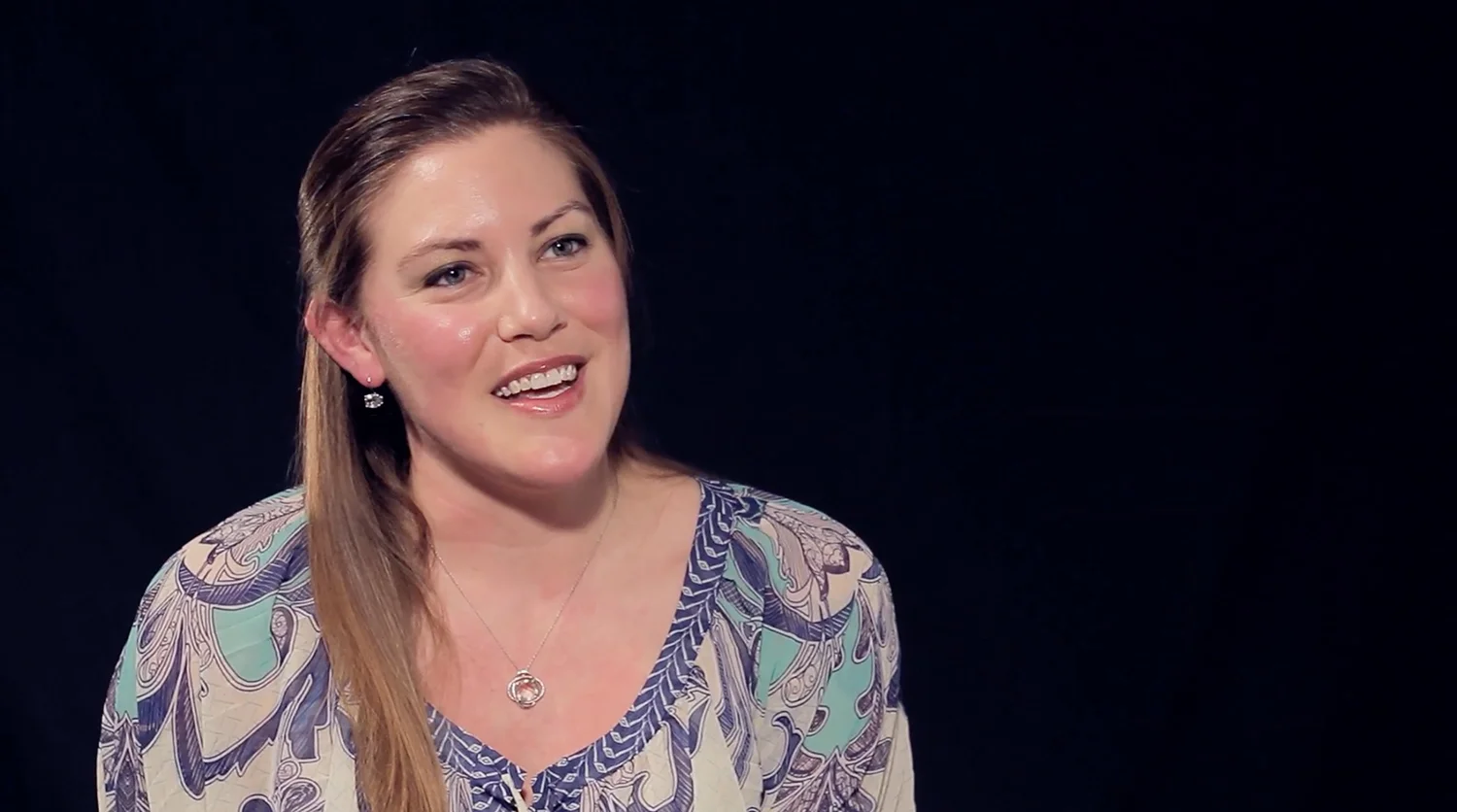
In Chapter 16 of 17, public affairs and communications strategist Matt Curtis begins a 140-pound weight loss program and lifestyle change by finding a great fitting pair of shoes. Curtis finds that the running shoe store researches his gait and puts him into shoes that support his weight and limit the stress on his joints. As a result Curtis is able to embrace an exercise regimen that not only helps him lose the weight but also provides peace of mind while engaging in long morning walks.

How Losing Weight Helps Control Anxiety and Depression - Matt Curtis

In Chapter 15 of 17, public affairs and communications strategist Matt Curtis makes a lifestyle change to become more active. By working out and eating healthier, Curtis proceeds to lose over 140 pounds and begins to effectively manage issues with anxiety, temper, and depression. The healthier Curtis gains confidence and also finds himself thinking more clearly through daily activities.

Why Relocate from the Suburbs to the City - Matt Curtis

In Chapter 14 of 17, public affairs and communications strategist Matt Curtis explains his motivation to leave suburban Austin, Texas for downtown living. Curtis had space, but also felt isolated, often staying inside for a weekend. Upon relocating downtown, Curtis becomes more active and engaged in the community. He purges tons of stuff - VHS tapes, Hall and Oates audio tapes, Renaissance fair swords - and finds a simplified life more enjoyable. Living in a 600-square foot apartment pushes Curtis to explore his neighborhood, meet neighbors, and participate as a member of the community.

What Mentors Teach About Happiness and Perspective - Matt Curtis

In Chapter 13 of 17, public affairs and communications strategist Matt Curtis meets each morning with a mentor group at the Austin, Texas Whole Foods flagship store. The group ranges from 47 to 71 in age and has an array of experiences, ranging from former CIA operatives, former CEOs, former firefighter union leaders and musicians. The group advises Curtis to keep a balanced perspective on what is and is not important. The group also advises Curtis on the benefits of positive perspective. These experiences in turn teach Curtis how to better set the tone each day in his life.

How to Turn Community Shame into Community Pride - Matt Curtis

In Chapter 11 of 17, public affairs and communications strategist Matt Curtis suggests ways municipalities and local governments can use to transform community shame into community pride. Curtis is chief of staff for Austin mayor Lee Leffingwell and has learned to promote Austin across its music, food, fitness, trails and architecture. Curtis looks into darker perspectives, specifically Scranton, Pennsylvania, which is dear to his heart. Curtis' family emigrated from Ireland and established themselves in Scranton, Pennsylvania. Where many Scranton residents see despair in their town, Curtis sees hope, opportunity. Beyond the Vice President Joe Biden comments, Curtis sees an opportunity to champion "The Office" and its flagship, Scranton, PA based company "Dundler Mifflin". He sees possibility where others see hopelessness and highlights several ways the town could not only share more with outsiders, but boost its civic pride in the process.