
Plotting a Real Estate Development Career Path

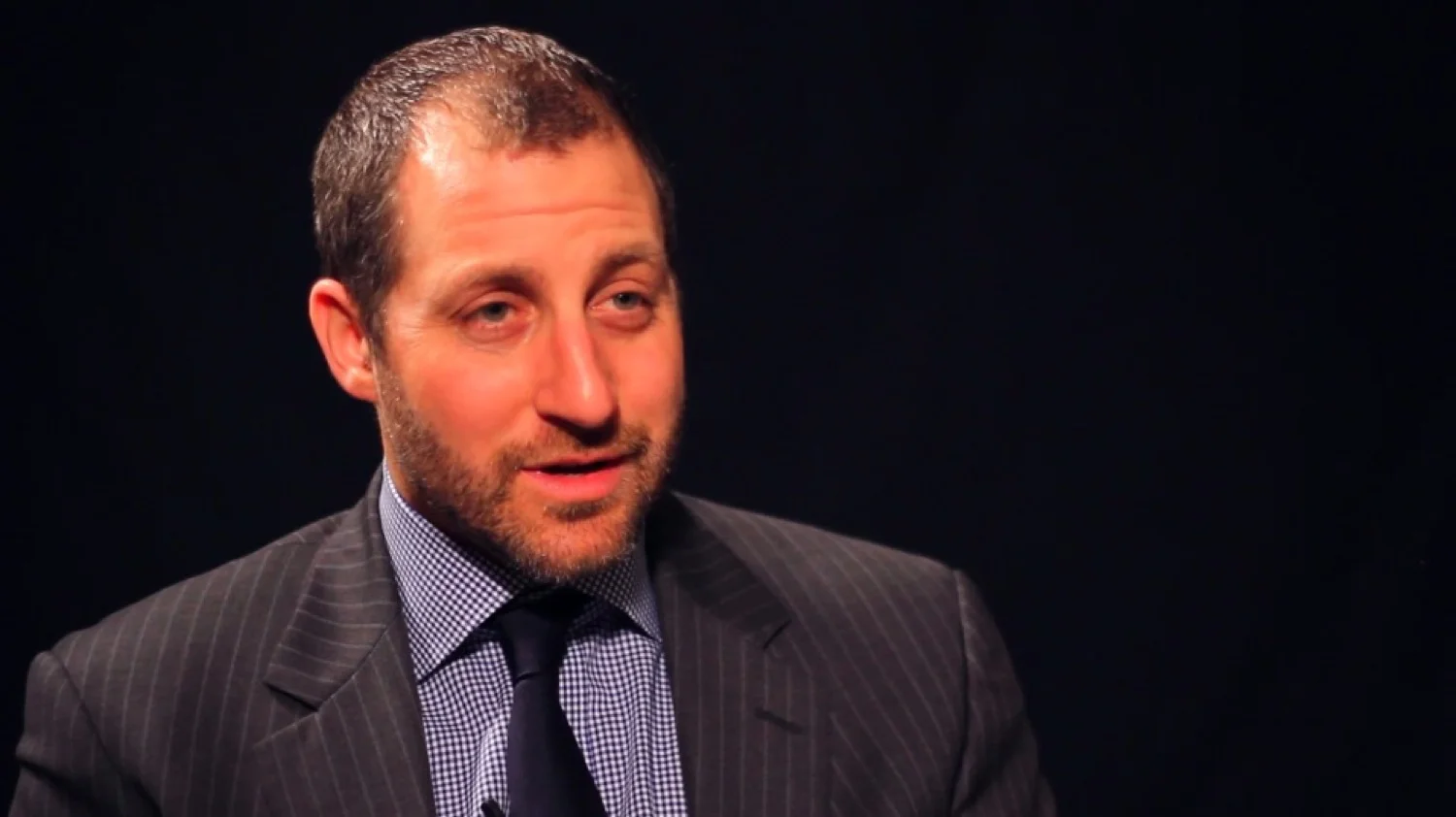
In Chapter 7 of 14 in his 2012 interview, real estate development executive Brett Goldman answers "What Have Been the Milestones in Your Real Estate Career?"  Goldman shares how small, detail-oriented project experiences have helped him gain experience and become a better big picture, strategic decision maker.  He finds his acquisition and project management experience builds by working across several elements, including financing, market analysis, construction analysis, approvals, and real estate contract law.  Brett Goldman is a Real Estate Acquisitions Director at Triangle Equities in New York City.  He holds a BA in General Studies from the University of Michigan and a Masters in Real Estate Development from the Columbia University Graduate School of Architecture, Planning, and Preservation.

Transcript:

Erik Michielsen:  What have been the milestones in your real estate career?

Brett Goldman: Well, I started by just doing the details. I mean that's pretty much how you start in real estate business.

Erik Michielsen: What do you mean by that?

Brett Goldman: Real estate is so experience-centric that you can't really learn it in school, though I did go to school for real estate. It's all about making good decisions. There's always two or three or four different paths you can travel, and the more correct paths you travel the more successful you'll be. 

I mean I've been doing acquisitions for a long time but also project management. And you can't really do acquisitions without project management because even in just in acquisition, there's a lot of different things that go into it, there's financing, there's market analysis, there's construction analysis, there's approvals, and, you know all the things, there's law, there's real estate contract law, just to get to an acquisition is a milestone. So each of my acquisitions have been milestones. But then each -- along the path to each one of those acquisitions there's a bunch of littler milestones that are individual successes.

What It Means to Be a Leader in a Real Estate Investing Career

In Chapter 8 of 14 in his 2012 interview, real estate development executive Brett Goldman answers "What Does it Mean to Be a Leader in What You Do?"  Goldman shares it means to achieve excellence in real estate.  He points to sustainability and how informed decision making and consistency shape results over long periods of time.   Brett Goldman is a Real Estate Acquisitions Director at Triangle Equities in New York City.  He holds a BA in General Studies from the University of Michigan and a Masters in Real Estate Development from the Columbia University Graduate School of Architecture, Planning, and Preservation.

Transcript: 

Erik Michielsen:  What does it mean to be a leader in what you do?

Brett Goldman: The leaders in our business are successful, continue to be successful, make smart moves, keep a relatively low profile, lead by example, and they're generally sharp people that have made strings of good decisions for most of their career. So those are the people that lead in my business. The people that are most well-known are the people that are doing the most deals for the longest time, and that doesn't necessarily mean the guy who's coming in doing 10 deals in a year and then never does a deal again because he overpaid. There's been a lot of companies especially in '05, '06, '07 that overpaid and they looked great in those years, but they didn't survive and so the leaders in the business are the ones that can survive the ups and survive the downs and keep going. 

Erik Michielsen: And as you’re crafting your own path of leadership, what specific takeaways are you pulling from those that have blazed that trail before you?

Brett Goldman:  It's about making smart decisions, and that means reasoned. Like really doing a lot of research in order to make decisions. And doing them with a historical basis in your mind. Meaning you can't be fooled by just today's environment, you always kind of have to -- you have to know what the winds are blowing or how the winds are blowing, what they're bringing and what they've brought. And if you can kind of understand what the history of things are, it can -- I think that it can get you to a better place in understanding where you are in that history. Sometimes that makes us more conservative as investors and sometimes we lose out on deals because of that. But I think that it keeps you in for the long haul and that's how you lead.

Facing Fear Fighting in a Golden Gloves Boxing Tournament

In Chapter 9 of 14 in his 2012 interview, real estate development executive Brett Goldman answers "What Did Participating in a Golden Gloves Boxing Tournament Teach You About Taking Risks and Setting Goals?"  Goldman talks about the year he trained for both the Golden Gloves and the New York City Marathon.  He compares and contrasts the two and shares how the boxing training and fight changed his life.  He shares how he learned to not be fearful of taking a punch and why preparation helped him become more confident once he stepped into the ring. 

Brett Goldman is a Real Estate Acquisitions Director at Triangle Equities in New York City.  He holds a BA in General Studies from the University of Michigan and a Masters in Real Estate Development from the Columbia University Graduate School of Architecture, Planning, and Preservation.

Transcript: 

Erik Michielsen:  What did participating in a Golden Gloves boxing tournament teach you about taking risks and setting goals?

Brett Goldman: It was funny because I did the Golden Gloves and the marathon in the same year, which are two kind of similar things in that training real hard for an eventual outcome. The Golden Gloves are different in that someone else is gonna hit you. Whereas in running, you're just running by yourself and it's all within your mind, but the reason why I did the Golden Gloves was because I wanted to know that someone could hit me and I could still stand up, or I could still stand up to it. I did lose, but I learned from it that I'm not scared to get hit and keep going at it. 

Erik Michielsen: What was it like when you stepped in the ring?

Brett Goldman: I was definitely scared but I knew I was prepared. And that's probably something I don't know if I ever knew I learned, or even sometimes still apply. But there's no doubt that preparation is a huge factor in confidence. I heard that the other day. I think it was Eli Manning that said it, but I wasn't that afraid when I walked in the ring actually. When -- Because I knew that I was strong and I was in the best shape that I’d been in. And the guy was gigantic, and had full body tattoos, but I wasn't really that scared and, you know, put that -- you know, put me up in a bar fight where that guy wants to start with me, and I probably would be scared. But at that point I wasn't scared. I also knew it was -- that it was gonna be a fair fight. And that I understood and knew how to box.


How to Break Out of a Comfort Zone and Find New Things to Do

In Chapter 10 of 14 in his 2012 interview, real estate development executive Brett Goldman answers "What is Your Comfort Zone and What Do You Do to Break Free of Living in It?"  He shares how he constantly monitors his satisfaction with thing that become routine in his life, always trying new things and bringing them into his regular activity pattern if they are a fit.  Brett Goldman is a Real Estate Acquisitions Director at Triangle Equities in New York City.  He holds a BA in General Studies from the University of Michigan and a Masters in Real Estate Development from the Columbia University Graduate School of Architecture, Planning, and Preservation.

Transcript: 

Erik Michielsen:  Where is your comfort zone and what do you do to break free of living in it?

Brett Goldman: I'm definitely a creature of habit. My comfort zone is my routine. But there's no doubt that I delight in getting out of that routine. It's kind of like a Eureka-moment, where I just decide I'm not gonna do routine. And then I turn left or whatever I'm doing, it really doesn't -- I don't think it through too much, sometimes I just get sick of the routine, sometimes I know that I don't wanna be in the routine so I go out of my comfort zone and when I get out of my comfort zone, there's usually great things anyway, I usually discover good things when I'm out of my comfort zone, and then they become incorporated into the routine. 

Erik Michielsen: How do you make that happen?

Brett Goldman: You know, once something is a good experience that was outside of the routine and I found it, then I'll go back to it. Usually until I get sick of it. 

Feeling Freedom Riding a Motorcycle

In Chapter 11 of 14 in his 2012 interview, real estate development executive Brett Goldman answers "Where Do Motorcycles Play into Your Story?"  He shares how he gets a feeling of freedom by riding and how exploring the country on a cycle differs from exploring it in a car. 

Brett Goldman is a Real Estate Acquisitions Director at Triangle Equities in New York City.  He holds a BA in General Studies from the University of Michigan and a Masters in Real Estate Development from the Columbia University Graduate School of Architecture, Planning, and Preservation.

Transcript: 

Erik Michielsen: Where do motorcycles play into your story?

Brett Goldman: I just love the feeling of freedom, it's totally different when you're riding a motorcycle than driving a car. When you're driving a car -- even a convertible, but mostly a regular car that's totally -- has windows and windshields, you don't feel the wind, you don't feel like you're outside even though you think that you are outside and you feel like you're outside when you're driving in a car, when you're on a motorcycle, it's completely different.

I can drive 60 miles on a motorcycle versus 60 miles in a car, and the 60 miles on a motorcycle is -- it's almost difficult in that you experience every mile, and I like to stop on the side of the road a lot. The way that we've set up the interstate system in this country, you can really just fly through places and never even know that they exist and if you stop for just a second and just take it in, it's a whole different experience. But you have to stop when you're in a car. When you're on a motorcycle, it's almost as if you're on foot. And you feel like you've been to some place, not just been through it. 

How to Handle the Pain of Rejection

In Chapter 12 of 14 in his 2012 interview, real estate development executive Brett Goldman answers "How Do You Deal With Rejection?"  Goldman shares how he feels when experiencing rejection and how he gets over it by simply letting time pass. 

Brett Goldman is a Real Estate Acquisitions Director at Triangle Equities in New York City.  He holds a BA in General Studies from the University of Michigan and a Masters in Real Estate Development from the Columbia University Graduate School of Architecture, Planning, and Preservation.

Transcript: 

Erik Michielsen: How do you deal with rejection?

Brett Goldman: Not well. I think for the first -- depending on how bad the rejection is, 12 to 24 hours, I’m pretty down about it, and then just kind of fades away. I try not to get myself into that same situation. But it just fades. 

Erik Michielsen: Is it different in your personal life versus your professional life?

Brett Goldman: No. It feels pretty much the same, it feels a little bit more personal in the personal life but, you know, I mean, there's definitely been some setbacks in business that I wish I had back. I usually don't take it as personally but it still hurts and, you know, it stings at first and then it kind of fades.

How to Build Momentum in a Real Estate Developer Career

In Chapter 13 of 14 in his 2012 interview, real estate development executive Brett Goldman answers "How Do You Build Momentum in What You Do Professionally as a Real Estate Developer?"  Goldman notes it comes down to consistently working through opportunities.  He shares how his persistence and patience, as discussed in his Year 1 and Year 2 interviews, combined with teamwork to create deal opportunities he has pursued in the past year. 

Brett Goldman is a Real Estate Acquisitions Director at Triangle Equities in New York City.  He holds a BA in General Studies from the University of Michigan and a Masters in Real Estate Development from the Columbia University Graduate School of Architecture, Planning, and Preservation.

Transcript:

Erik Michielsen: How do you build momentum in what you do professionally as a real estate developer? 

Brett Goldman: I think the only way to build momentum is to really just keep at it. Keep focused on building the momentum and to continue to keep at it. Keep at it, keep at it, keep at it.  If you -- I mean, it's kind of like anything else in that success breeds success so if you want to have success, then you have to keep at it. 

Erik Michielsen: Where do you find those moments that fuel your momentum in what you do?

Brett Goldman: I think the way that my career has gone over the past few years, you know, my last couple of interviews, I've talked about the market being down and how it's a time to take advantage and capitalize on that. Over the past year, I and we, as a company have definitely capitalized on that. We'd like to continue building that momentum but it requires getting the acquisitions that we made last year done, successful, and then moving on. But just knowing that we were able to capitalize on that -- on the idea that we had, and the way that we put it into motion, gives me confidence that I'll be able to do it again.

Now it's gonna be a different market when we finish these couple of projects. It's gonna be a different market in 2012 than it was in 2010, '11, when we bought them. So, what does that mean? It means that you kind of have to adjust to today's realities and hope that you're doing the right thing, and keep trying. 

Erik Michielsen: How did these projects happen?

Brett Goldman: Two guys that work with me found them. I would say that it was my leadership. You know, I kind of sensed what was going on in the market and set a direction for the two guys that work with me and we identified pretty much exactly what we had set out to find. And we bought them. They could have been larger projects that -- we could have bought four instead of two, but I think we bought two projects that will be very successful. 

Brett Goldman on When to Get Career Advice From Your Peer Group

In Chapter 14 of 14 in his 2012 interview, real estate development executive Brett Goldman answers "At this moment in life, where are you seeking advice and coaching?"  Goldman notes why he hesitates to get advice from older professionals in the business and why he instead leans on his peer group. 

Brett Goldman is a Real Estate Acquisitions Director at Triangle Equities in New York City.  He holds a BA in General Studies from the University of Michigan and a Masters in Real Estate Development from the Columbia University Graduate School of Architecture, Planning, and Preservation.

Transcript: 

Erik Michielsen: At this moment in life, where are you seeking advice and coaching?

Brett Goldman: I've never been great with getting advice from older folk in the business. And I think that's because I think that things change. And I think that to some extent, the environment that they were in is different than the environment that I'm in now. So it's very hard for them to give advice that's accurate for today's time. So I don't really get real estate advice from my friends, but I guess from peers, you can kind of glean, like peers in my business. There are times when I reach out to peers and bounce things off of them and I wouldn't say it's advice but it's kind of help with direction. I would say that I get some from my peers and my friends. 

Erik Michielsen: Is that the same now as it was, you know, a few years ago?

Brett Goldman: Well, I think that I know who to contact a lot better now than I did then, because I have a much broader network that I've created by being in the business for a longer period of time, and being out there and being known, and so now I have more people to call on.

What Marriage Teaches About Teamwork - Jason Anello

In Chapter 1 of 20 in his 2012 interview, creative director Jason Anello answers "What Has Marriage Taught You About Teamwork?"  He shares why learning to compromise is a fundamental collaboration and decision making skill in a healthy marriage.  He learns to make group decisions by thinking outside of himself and better understanding his spouse's perception of the situation.  Jason Anello is a founding partner and creative director at marketing services agency Manifold Partners.  He is also the co-founder of the Forking Tasty Brooklyn supper club.  Previously, Anello held creative leadership roles at Yahoo! and Ogilvy & Mather.  He graduated from the University at Albany. 

Why Mutual Respect Matters in a Marriage - Jason Anello

In Chapter 2 of 20 in his 2012 interview, creative director Jason Anello answers "Why is Mutual Respect Important in a Marriage?"  Anello shares how respect plays into basic communication and experience fundamental to living with a spouse.  He shares why respect matters in a marriage of two professionals who may not always be able to understand each other in a day to day job context.  Jason Anello is a founding partner and creative director at marketing services agency Manifold Partners.  He is also the co-founder of the Forking Tasty Brooklyn supper club.  Previously, Anello held creative leadership roles at Yahoo! and Ogilvy & Mather.  He graduated from the University at Albany. 

How Family Relationships Change With Age - Jason Anello

In Chapter 3 of 20 in his 2012 interview, creative director Jason Anello answers "How Are Your Family Relationships Changing As You Get Older?"  Anello shares how after many years experience in his 20s and 30s, he is no longer perceived as the child.  He notes how the role of parent and child reverses and how he expected it to happen in his 20s when it actually occurred in his 30s after many life events.  Jason Anello is a founding partner and creative director at marketing services agency Manifold Partners.  He is also the co-founder of the Forking Tasty Brooklyn supper club.  Previously, Anello held creative leadership roles at Yahoo! and Ogilvy & Mather.  He graduated from the University at Albany. 

What Gets Easier and What Gets Harder - Jason Anello

In Chapter 4 of 20 in his 2012 interview, creative director Jason Anello answers "What is Getting Easier and What is Getting Harder in Your Life?"  As he gets older, Anello begins to see his age more.  He finds it easier to do things because he cares less about what others think and because what he learns from his experience.  Jason Anello is a founding partner and creative director at marketing services agency Manifold Partners.  He is also the co-founder of the Forking Tasty Brooklyn supper club.  Previously, Anello held creative leadership roles at Yahoo! and Ogilvy & Mather.  He graduated from the University at Albany. 

How to Be Happier by Turning Work Projects into Play - Jason Anello

In Chapter 5 of 20 in his 2012 interview, creative director Jason Anello answers "When Are You at Your Best?"  Anello notes he is at his best when happy and shares how he does it.  By turning work projects into play activities Anello achieves happiness and personal best.  Jason Anello is a founding partner and creative director at marketing services agency Manifold Partners.  He is also the co-founder of the Forking Tasty Brooklyn supper club.  Previously, Anello held creative leadership roles at Yahoo! and Ogilvy & Mather.  He graduated from the University at Albany. 

Finding Meaningful Work in a Surge of Passion - Jason Anello

In Chapter 6 of 20 in his 2012 interview, creative director Jason Anello answers "What Makes Your Work Meaningful?"  He notes that meaningful work does not always mean paid work and how in those surge moments of passion, he finds work worthwhile.  Jason Anello is a founding partner and creative director at marketing services agency Manifold Partners.  He is also the co-founder of the Forking Tasty Brooklyn supper club.  Previously, Anello held creative leadership roles at Yahoo! and Ogilvy & Mather.  He graduated from the University at Albany. 

How Hands On Work Enlightens Creative Career - Jason Anello

In Chapter 7 of 20 in his 2012 interview, creative director Jason Anello answers "How Has Hands On Experience Changing What You Believe is Possible in What You Create?"  Through his life and career, Anello finds success leads into management and, as a result, removal from hands on work.  He shares how he has created a career where he can maintain the hands on work that drives his passion to create things which unleash an audience pleasing experience.  Jason Anello is a founding partner and creative director at marketing services agency Manifold Partners.  He is also the co-founder of the Forking Tasty Brooklyn supper club.  Previously, Anello held creative leadership roles at Yahoo! and Ogilvy & Mather.  He graduated from the University at Albany. 

Developing a Creative Leadership Style - Jason Anello

In Chapter 8 of 20 in his 2012 interview, creative director Jason Anello answers "What Does It Mean to Be a Leader in What You Do?"  He finds leadership comes at the intersection of communication and curiosity.  By honing his approach to finding and presenting ideas he earns the respect of those around him and create a demand for his services.  Jason Anello is a founding partner and creative director at marketing services agency Manifold Partners.  He is also the co-founder of the Forking Tasty Brooklyn supper club.  Previously, Anello held creative leadership roles at Yahoo! and Ogilvy & Mather.  He graduated from the University at Albany. 

How to Use Company Culture to Recruit Great Teams - Jason Anello

In Chapter 9 of 20 in his 2012 interview, creative director Jason Anello answers "What Has Your Experience Taught Your About Bringing Together Teams to Successfully Complete Projects?" Anellos shares he and his business partners use cultural fit in how they recruit employees and freelance workers.  He notes why he values cultural fit over skillset when recruiting and building high performance teams. 

Jason Anello is a founding partner and creative director at marketing services agency Manifold Partners.  He is also the co-founder of the Forking Tasty Brooklyn supper club.  Previously, Anello held creative leadership roles at Yahoo! and Ogilvy & Mather.  He graduated from the University at Albany. 

Transcription: 

Erik Michielsen: What has your experience taught you about bringing together teams to successfully complete projects?

Jason Anello: I'm almost 2 years in at Manifold, and it's been a very interesting 2 years, I've learned a whole lot about having what I would say is a real business, I had a lot of little businesses that were in my mind maybe more businesses than just they were really projects. And this is definitely a full-blown business, with all the things that businesses come along with, particularly finding employees that can execute to the level that me and my 4 partners expect and do. That's a really interesting thing about having a business and who do you -- how do you find the right people that are going to meet and then exceed the expectations, the very high expectations that me and my partners have. And I think one of the keys to finding proper employees that will make a successful team, or freelancers for that matter, or even outside of the context of a working environment in any project that you're trying to get done, is for the culture to be a match. I know people talk about culture in many -- lots of big companies talk about culture and just thinking about who your friends are and how you -- when you hit it off with somebody and you don't hit it off with somebody. I think that skill set is obviously really important but you could have somebody who's really, really good at the thing that needs to get done, and if you don't mesh with them right, and they're -- they don't fit inside of the culture of Manifold, in this example, then the project won't be as successful.

So I would rather have somebody who's less skilled but fits the culture better, because that would make a more successful project. A real world example of that is, if I yell at you, because of the way that Manifold's culture is, I can't really explain what that is right now, is that that's -- it's a high intense sometimes environment because we're hanging things in the middle of Times Square for 24 hours and it's -- there's permits and these things and all sorts of -- it's raining and whatever.

So it's sort of like a kitchen environment, sometimes, when we throw a big event. It's like what you see on TV, when Gordon Ramsay is going berserko, screaming at people and people are just doing stuff, that's sort of what it's like when you're doing high-profile events and you're in the shoot, as we say. But the shoot being, you know, a slide of some sort, or the barrel of a gun. But if you can't take that and you think that if you don't fit that culture, if I can't yell at you, you can't brush it off your back, that's not gonna fit with our culture. Because I don't -- I'm not really mad at you, I just need you to do that thing right now. And I'm not saying we're a bunch of these screamers and yellers, but you could be really, really good getting that thing done and if you shut down when I yell at you then that's not gonna make a successful team. 

Pros and Cons of Short and Long Term Project Work - Jason Anello

In Chapter 10 of 20 in his 2012 interview, creative director Jason Anello answers "What are the Pros and Cons of Project Based Work?"  Anello details what he has learned working in both shorter and longer form projects and what he has found most meaningful about each type of work.  He goes further into how he is using this experience to think about his future.  Jason Anello is a founding partner and creative director at marketing services agency Manifold Partners.  He is also the co-founder of the Forking Tasty Brooklyn supper club.  Previously, Anello held creative leadership roles at Yahoo! and Ogilvy & Mather.  He graduated from the University at Albany.