
How IndieGoGo Startup Founders Evolve into Leaders - Slava Rubin

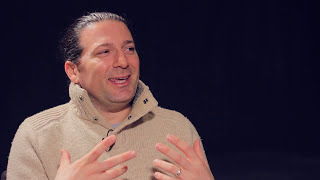
In Chapter 5 of 12 in his 2011 Capture Your Flag interview with host Erik Michielsen, IndieGoGo co-founder and entrepreneur Slava Rubin answers "How Has Your Role Evolved as Your Business Has Grown?" IndieGoGo started with three people, Rubin, Eric Schell, and Danae Ringelmann. They name themselves "The Eyes, The Hands, and The Heart" at the inception, where Rubin, the eyes, handles publicity, marketing, and public relations. Schell, the hands focuses on technology, and Ringelmann, the heart, manages business operations, customer relations, and partnerships. Over time, as the company expands and hires employees, Rubin, Schell, and Ringelmann take on more management responsibilities that go beyond the blocking and tackling from the early days. All the while, they follow their "List, Prioritize, Execute" plan. Rubin is co-founder and CEO of IndieGoGo.com, a crowdfunding startup whose platform helps individuals and groups finance their passions. Before IndieGoGo, Rubin worked in management consulting for Diamond Consulting, now a PWC company. Rubin founded and manages non-profit Music Against Myeloma to raise funds and awareness to fight cancer. He earned a BBA from the Wharton School at the University of Pennsylvania.

Transcript: 

Erik Michielsen:  How has your role evolved as your business has grown?

Slava Rubin:  Yeah, I mean when we first started, it’s just the three of us, the three co-founders, so Eric Schell, Dane Ringelmann, and myself, and the three of us, we like to call ourselves the eyes, the hands, and the heart.  So I’m the eyes; I do a lot of external stuff, marketing, PR, biz dev, things like that.  Eric is the hands, so really putting in the implementation, making sure that the actual development and design is all great.  And Dane is the heart, so managing the day-to-day dealing with our customers and making sure that our partners are all happy.  

And it’s amazing that we just started as the three of us, always kind of debating, and discussing, and proving, and yelling at each other, and now we have employees, and we’re growing, and we really just have to evolve to learn how to not always be as hands-on, really make sure we company-build and bring in the right employees who are all smarter than us and better than us.  And so it’s really about managing growth and trying to figure out how to prioritize, again.  I mean it’s all we – at the company we talk about list, prioritize, execute, and that it’s really about working with the team and working with employees as opposed to just always blocking and tackling, which I still have to do a lot of that for sure.

What Makes a Good Business Partner - Slava Rubin

In Chapter 6 of 12 in his 2011 Capture Your Flag interview with host Erik Michielsen, IndieGoGo co-founder and entrepreneur Slava Rubin answers "What Makes a Good Business Partner?" Rubin notes balance is fundamental, as is positive conflict. The conflict helps create balanced perspectives. Early on, shared vision, effective communication, and execution are key. As the team grows and begins hiring, or "company building", it becomes increasingly important trust exists between partners and their respective roles and responsibilities. Rubin is co-founder and CEO of IndieGoGo.com, a crowdfunding startup whose platform helps individuals and groups finance their passions. Before IndieGoGo, Rubin worked in management consulting for Diamond Consulting, now a PWC company. Rubin founded and manages non-profit Music Against Myeloma to raise funds and awareness to fight cancer. He earned a BBA from the Wharton School at the University of Pennsylvania.

Transcript: 

Erik Michielsen:  What makes a good business partner?

Slava Rubin:  I think that there has to be balance between the partners as to who is bringing what to the table.  You can’t really have, in my opinion, all of the same, and you don’t wanna ‘yes’ each other.  You need to have some positive conflicts so you can have discussions where you can balance perspectives.  I think a good partner in the early days will just rock out and nail execution on whatever they’re supposed to be doing. Our team is our most valuable part, and everybody just really focuses on their part.  

Trust is so important when you know that somebody else is handling a whole separate part of the business.  It’s really important that you can just turn your head, walk away, and then focus on your part, because if you’re concerned, distracted, or not really thinking it’s gonna come through, you won’t be as productive as you can be in your area. In the long run they’ll be able to just be your partner in scaling the business and in company-building, meaning just hiring folks.  But I think in the early days, it’s just a shared vision.  You have to be friendly and you have to be able to execute what you bring to the table.

How Learning to Say No Helps CEO Grow Business - Slava Rubin

In Chapter 7 of 12 in his 2011 Capture Your Flag interview with host Erik Michielsen, IndieGoGo co-founder and entrepreneur Slava Rubin answers "Where Has Learning to Say No Been Most Impactful in Your Growth as an Entrepreneur?" Rubin notes that between his Year 1 and Year 2 Capture Your Flag interviews, his company has grown and press, new business, and investor opportunities are abundant. He needs to make sure he is managing company growth, evolving a working product, and managing client relationships while choosing to engage new opportunities. Rubin is co-founder and CEO of IndieGoGo.com, a crowdfunding startup whose platform helps individuals and groups finance their passions. Before IndieGoGo, Rubin worked in management consulting for Diamond Consulting, now a PWC company. Rubin founded and manages non-profit Music Against Myeloma to raise funds and awareness to fight cancer. He earned a BBA from the Wharton School at the University of Pennsylvania.

Transcript: 

Erik Michielsen:  Where has learning to say no been most impactful in your growth as an entrepreneur?

Slava Rubin:  Well, especially going from our previous interview to now, there is just so much more opportunity at IndieGoGo whether it be new press opportunities, new clients, new business development opportunities, new investors, new interviews, new anything, and you can really go crazy trying to follow all of these opportunities but you also have to build your company and have happy clients and make sure that the product works really well and improve it.  

So it’s really around balancing what you should say yes to and what you should say no to.  I lean towards saying yes, but the focus and the execution requires no’s, and I think it’s just really important to be confident in when no is the right thing to say.

When is Convertible Debt Preferable to Equity Financing a Startup - Slava Rubin

In Chapter 8 of 12 in his 2011 Capture Your Flag interview with host Erik Michielsen, IndieGoGo co-founder and entrepreneur Slava Rubin answers "What Factors Informed Your Decision on Whether to Use Convertible Debt or Equity Financing?" Understanding money source - sophisticated vs. non-sophisticated - is a fundamental first step. Sophisticated investors, which includes angels and venture capital firms, tend to have more valuation experience. Non-sophisticated investors, which includes friends and family, tend to be less valuation savvy. Rubin notes convertible debt financing offers valuation flexibility good for working with non-sophisticated investors. Given the lower startup costs and increasing number of non-sophisticated investors entering the financing pool, many early stage startups are choosing this over equity. Rubin is co-founder and CEO of IndieGoGo.com, a crowdfunding startup whose platform helps individuals and groups finance their passions. Before IndieGoGo, Rubin worked in management consulting for Diamond Consulting, now a PWC company. Rubin founded and manages non-profit Music Against Myeloma to raise funds and awareness to fight cancer. He earned a BBA from the Wharton School at the University of Pennsylvania.

Transcript: 

Erik:  What factors inform your decision on whether to use convertible debt or equity financing?

Slava:  Yeah, I mean I think it’s really important, especially today, as you’re able to accomplish a lot more with your business and prove a lot more with less money, it’s really important to decide where your money is coming from, whether that be coming from institutions, or from angels who are sophisticated, or maybe just friends and family, and as you do that, what you don’t wanna do is get stuck with evaluation from people that don’t really, should we say, have an understanding of your business and aren’t really experts in doing evaluations.  So it’s really important to know how much money you’re trying to raise and where you’re at in the life cycle of your business.  I think you’re seeing a lot more people using convertible debt these days because it comes much quicker, there’s a lot less terms, and you’re finding a lot more money from folks that aren’t official, sophisticated VCs.  So with all that new money on the table, you don’t want to lock yourself down with evaluation that might not be appropriate whether it be too low or too high, so convertible debt is definitely interesting for folks in the earlier part of their process.  From a VC investment perspective or equity, there comes a point where folks need to know exactly how much they own, and they like to know their percentages and how much they’re gonna be involved in the company.  So as you get further into the life cycle, I think that becomes really important.

How to Evaluate Potential Investors - Slava Rubin

In Chapter 9 of 12 in his 2011 Capture Your Flag interview with host Erik Michielsen, IndieGoGo co-founder and entrepreneur Slava Rubin answers "What Criteria Are You Using to Evaluate Potential Investors?" First, Rubin notes the importance of aligning ambition and goals. Second, he looks for more than money with investors. With finding money getting easier, Rubin looks for investors who have contacts, expertise, and experience that can help the company improve and grow. Rubin is co-founder and CEO of IndieGoGo.com, a crowdfunding startup whose platform helps individuals and groups finance their passions. Before IndieGoGo, Rubin worked in management consulting for Diamond Consulting, now a PWC company. Rubin founded and manages non-profit Music Against Myeloma to raise funds and awareness to fight cancer. He earned a BBA from the Wharton School at the University of Pennsylvania.

Transcript: 

Erik Michielsen:  What criteria are you using to evaluate potential investors?

Slava Rubin:  No matter who you’re trying to add in to the business, whether it be employees, or partners, or investors, it’s really important that it all has alignment as to what you’re trying to accomplish, right?  So you have a shared vision, you have a shared understanding as to what our goals are as a company.  Regarding investors, specifically, it’s a classic saying ‘you want to find more than just money’ or sometimes they call it ‘dumb money’ or ‘smart money’.  It’s becoming easier and easier to find the cash, whether it be credit cards, or loans, or IndieGoGo, or one off angels, or dentists, or lawyers, but really what you wanna find is folks that can give you advice based on their experience as running companies before, or maybe they have the right network for your industry to get you certain business development relationships, or certain distribution deals, or certain partnerships; or maybe they have expertise in areas that your founding team or your small team doesn’t have yet, whether it be in technology, or sales, or operations, or maybe scaling the company.  

So what we look for when we talk to investors is always about, you know, what is your participation going to be with us and how can we work together to make the company better.  It’s also – it’s just always very important as a default that we’re all on the same page as to what we’re starting to accomplish.  Some investors are looking in to only create billion-dollar companies, and some investors are looking to create ten-million-dollar companies and sell them.  So you just need to make sure that everybody is on the same page as to what we’re all trying to accomplish.

How Crowdfunding Empowers a New Storytelling Generation - Slava Rubin

In Chapter 10 of 12 in his 2011 Capture Your Flag interview with host Erik Michielsen, IndieGoGo co-founder and entrepreneur Slava Rubin answers "How is Crowdfunding Empowering a New Generation of Storytellers?" Rubin shares how the rise of online payments and social media sharing have sparked new ways to finance passion projects. From cause supporters to business creators to artists, Rubin finds fulfillment seeing his company, IndieGoGo, provide them means to make dreams come true. Rubin is co-founder and CEO of IndieGoGo.com, a crowdfunding startup whose platform helps individuals and groups finance their passions. Before IndieGoGo, Rubin worked in management consulting for Diamond Consulting, now a PWC company. Rubin founded and manages non-profit Music Against Myeloma to raise funds and awareness to fight cancer. He earned a BBA from the Wharton School at the University of Pennsylvania.

Transcript: 

Erik Michielsen:  How is crowd funding empowering a new generation of storytellers?

Slava Rubin:  You know, ten years ago, even five years ago, you have no YouTube; you have no Facebook; you have no MySpace; you have no Twitter.  You barely have attachments in emails.  You don’t really have as much transaction happening via credit card.  You definitely do not have the word ‘Obama’ being used anywhere.  And it’s just incredible that just in a number of years you start taking all these trends and resources, you put them into one place, and you create a platform like IndieGoGo, which allows anybody to raise money for absolutely anything.  And now you find out that if you give them these tools, everybody in the world is passionate.  Everybody in the world wants to create a campaign or fund a campaign.  It’s just not so easy for them to do that.  Now with IndieGoGo, we provide them those tools, and now all of a sudden, all these musicians, video game artists, business creators, cause supporters are making incredible, incredible stuff, and it’s just a world of validation, and now they can follow their dreams.  

We have a great example of that with Elaine Zelker, a mom in Pennsylvania with three kids.  She is a registered nurse and really focused on her day-to-day job, so that she can provide for the family with her husband.  And she’s always wanted to be in photography but never took that risk.  She gets on IndieGoGo, raises money, creates this gallery in a photo book, she gets exposure, and now is on Good Morning, America. Gets on Good Morning, America.  People see it left and right.  She gets a major agent from New York to wanna push out her book.  So now she has gone from, you know, super conservative, registered nurse of Pennsylvania to somebody who has thousands of dollars to do her photography that she loves, turning in to her business, and now has an agent out of New York.  It’s just incredible as you see people following their passions and that IndieGoGo can support those dreams.

Erik Michielsen:  And how did that make you feel to be part of that?

Slava Rubin:  I love it.  The coolest thing about IndieGoGo is different than just a, should we say, ‘search engine’, or maybe a regular e-commerce site, or even some whiz-bang amazing stuff that’s happening here at South-by, people love using IndieGoGo.  It becomes part of them and their fabric.  They get the emails when they get the money and it says you got money, and it’s just so exciting ‘cause it’s just little bricks being added to their foundation of a dream, and it’s awesome.

How Online Brand Builds Offline Customer Relationships - Slava Rubin

In Chapter 11 of 12 in his 2011 Capture Your Flag interview with host Erik Michielsen, IndieGoGo co-founder and entrepreneur Slava Rubin answers "What Have You Learned About How an Online Brand Can Build Offline Customer Relationships?" He begins by creating a message that customers believe from the product experience. With his company IndieGoGo, it is "Anyone in the world can create a campaign to raise more money from more people faster." This online message transcends into the physical experience customers have creating and conducting campaigns. Rubin is co-founder and CEO of IndieGoGo.com, a crowdfunding startup whose platform helps individuals and groups finance their passions. Before IndieGoGo, Rubin worked in management consulting for Diamond Consulting, now a PWC company. Rubin founded and manages non-profit Music Against Myeloma to raise funds and awareness to fight cancer. He earned a BBA from the Wharton School at the University of Pennsylvania.

Transcript: 

Erik Michielsen:  What have you learned about how an online brand can build offline customer relationships?

Slava Rubin:  Managing a brand, period, is just really important and challenging. Trying to transcend from offline to online or online to offline is very challenging, but I would say that the more that you can create a message that resonates with your customers, not something that you’re trying to make them believe but they believe in the experience of using your product, and you can concisely use that message across the board, it’s just really important, because it becomes then, instead of just using a tool, it becomes an experience that everybody is part of.  At IndieGoGo, we say that anybody in the world can create a campaign to raise more money for more people faster.  So that’s our brand.  I can repeat it.  

But really it’s just a matter of more money for more people, and that’s why they come to IndieGoGo.  That’s why from any country in the world, they come, they create campaigns, and that’s what they’re looking to feel and experience, and we try to have that permeate whether it be online or offline. 

How Passion Projects Come Alive at South by Southwest - Slava Rubin

In Chapter 12 of 12 in his 2011 Capture Your Flag interview with host Erik Michielsen, IndieGoGo co-founder and entrepreneur Slava Rubin answers "How Does the South By Southwest Conference Exemplify Power of Passion Project Crowdfunding?" Rubin gets energy from South by Southwest (SXSW) and the passion and energy at the interaction of film, interactive, and music. Rubin's company IndieGoGo provides crowdfunding project financing to SXSW attendees, including one filmmaker whose "My Sucky Teen Romance" raised its funds on IndieGoGo and was selected for the film festival. Rubin is co-founder and CEO of IndieGoGo.com, a crowdfunding startup whose platform helps individuals and groups finance their passions. Before IndieGoGo, Rubin worked in management consulting for Diamond Consulting, now a PWC company. Rubin founded and manages non-profit Music Against Myeloma to raise funds and awareness to fight cancer. He earned a BBA from the Wharton School at the University of Pennsylvania.

Transcript: 

Erik Michielsen:  How does the South by Southwest Conference exemplify the power of passion project crowd funding?

Slava Rubin:  Oh yeah, I mean South-by is such an incredible conference.  It brings together the best in film, the best in interactive, and the best in music, all these incredible ideas of people that are passionate from around the world, all coming together into one place which is in Austin, Texas, during March, which is incredible.  And IndieGoGo is very similar.  It doesn’t happen in Austin, it happens online, and it doesn’t only happen within the three disciplines of interactive, music, and film, it actually happens within anything possible, anything creative, anything entrepreneurial, or anything cause, but at its core it’s the same where people have passion that they’re following, that they wanna make some magic happen.  South-by gives them the tool to expose it to the world here for ten days, and IndieGoGo gives them the opportunity to raise more money for more people faster, get the exposure, and just raise all that cash to make their dreams happen.  So it’s really incredible.  

South-by is really one of the greatest conferences out there.  And the fact, like I said, that we have all these filmmakers using it, and musicians using it, the interactive folks using it, and even the actual fans of South-by coming on road trips and funding their road trips through IndieGoGo is really remarkable.  I mean I’ve had an incredible experience here, and it’s really absolutely amazing to have successful customers from IndieGoGo here at South-by.

Erik Michielsen:  Can you give a couple of examples of some of the amazing things that are happening here using IndieGoGo?

Slava Rubin:  Yeah, I mean the perfect example would be this 18-year-old girl who created a movie called ‘My Sucky Teen Romance’, and she created multiple campaigns on IndieGoGo. First, it was just a campaign around an idea.  She then raised thousands of dollars.  She starts making the movie.  She needs more production money.  She raises thousands more dollars or almost – she raises her entire budget for that movie through IndieGoGo and gets in to South-by, absolutely incredible.

How to Be at Your Best Each Day - Audrey Parker

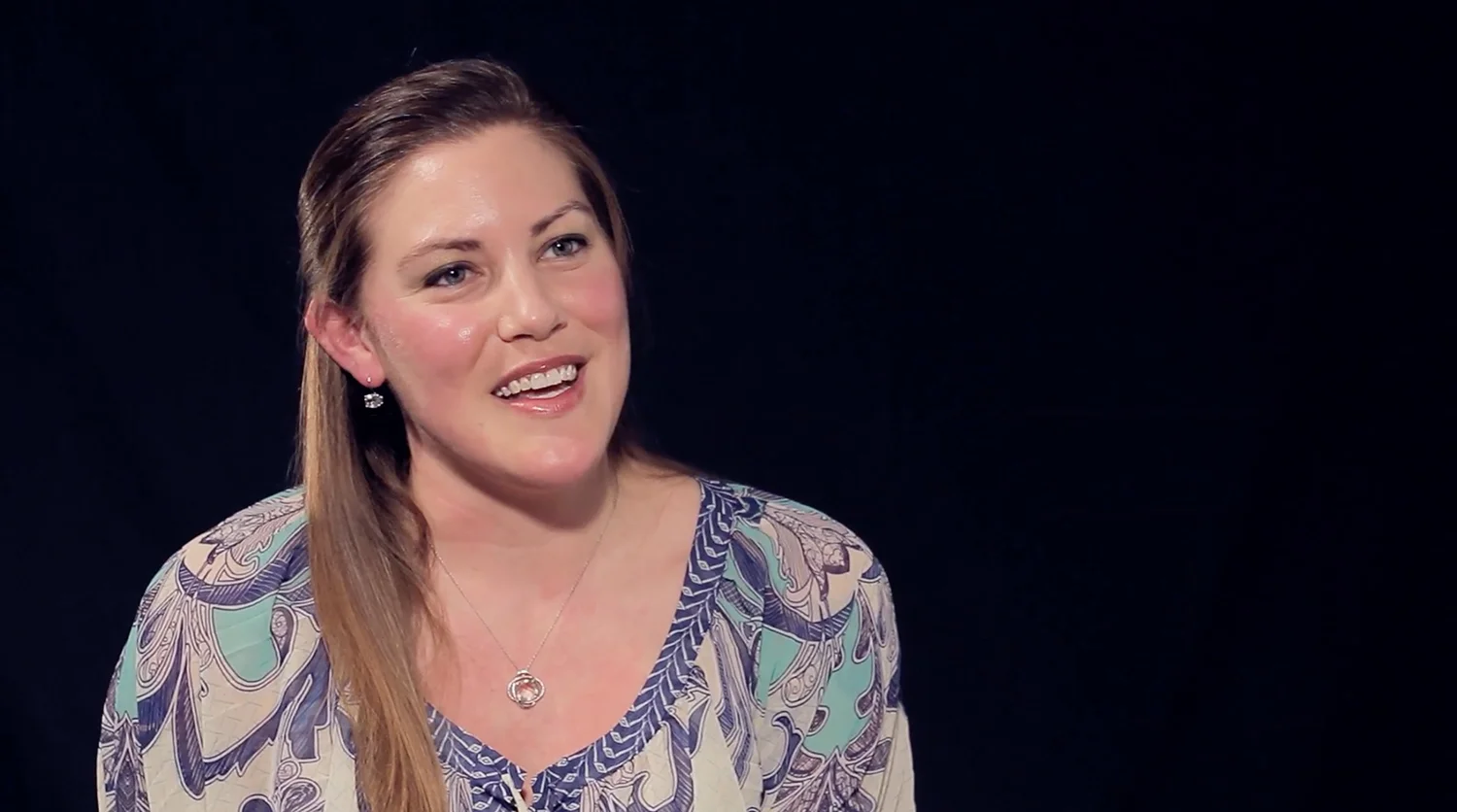
In Chapter 1 of 21 in her 2011 Capture Your Flag interview with host Erik Michielsen, entrepreneur Audrey Parker answers "When Are You at Your Best?" Beyond a good night's rest, some exercise, and a healthy breakfast, Parker notes she is at her best when there is enough going on to keep her engaged but not enough where she is overwhelmed. She notes how she has learned to scale back to find her sweet spot and be her best. Parker is currently on a one-year sabaatical. Parker co-founded CLEAResult, an energy management consulting firm. In 2010, CLEAResult ranked #144 in the Inc. 500 list of fastest-growing private companies. In late 2010, CLEAResult was sold to General Catalyst Partners. Parker graduated from Wake Forest University.

How Entrepreneurial Spirit Shapes Career - Audrey Parker

In Chapter 2 of 21 in her 2011 Capture Your Flag interview with host Erik Michielsen, entrepreneur Audrey Parker answers "What Made You Realize That You Were an Entrepreneur at Heart?" Parker first accepts the "entrepreneur" identity after co-founding her company, CLEAResult; however, upon reflecting upon her past experiences, Parker recognizes she has been happiest when she is creating something. She recalls helping a woman start fter graduating from college, Parker helps to start an insurance agency. While in college, she helps to start a women's a cappella group. Parker is currently on a one-year sabbatical. Parker co-founded CLEAResult, an energy management consulting firm. In 2010, CLEAResult ranked #144 in the Inc. 500 list of fastest-growing private companies. In late 2010, CLEAResult was sold to General Catalyst Partners. Parker graduated from Wake Forest University.

How Selling Company Creates Cathartic Moment - Audrey Parker

In Chapter 3 of 21 in her 2011 Capture Your Flag interview with host Erik Michielsen, entrepreneur Audrey Parker answers "Since We Last Spoke a Year Ago, What Has Been the Most Exciting Thing to Happen in Your Life?" Parker realizes she has the opportunity to choose a different path in life. In 2010, she found herself fully committed to her company, CLEAResult, and how it was her identity. She learns to see that experience - co-founding, growing, and selling her company - as a chapter that sets the stage for what comes next in her life. Parker is currently on a one-year sabbatical. Parker co-founded CLEAResult, an energy management consulting firm. In 2010, CLEAResult ranked #144 in the Inc. 500 list of fastest-growing private companies. In late 2010, CLEAResult was sold to General Catalyst Partners. Parker graduated from Wake Forest University.

What Gets Easier and What Gets Harder - Audrey Parker

In Chapter 4 of 21 in her 2011 Capture Your Flag interview with host Erik Michielsen, entrepreneur Audrey Parker answers "What is Getting Easier and What is Getting Harder in Your Life?" Parker feels her experiences starting, growing, and exiting the company she co-founded, CLEAResult, have put her in a positive place. The learning experiences in that time have left her better prepared for what comes her way. After leaving the business, she decides to take a one-year sabbatical to rest, relax, and plan free from outside distractions. Parker is currently on a one-year sabbatical. Parker co-founded CLEAResult, an energy management consulting firm. In 2010, CLEAResult ranked #144 in the Inc. 500 list of fastest-growing private companies. In late 2010, CLEAResult was sold to General Catalyst Partners. Parker graduated from Wake Forest University.

What Makes Failures Great Learning Experiences - Audrey Parker

In Chapter 5 of 21 in her 2011 Capture Your Flag interview with host Erik Michielsen, entrepreneur Audrey Parker answers "Why are Failures More Meaningful Learning Experiences Than Successes?" She notes the tough failures have taught her the most about herself and helped her develop. She recalls a CLEAResult software project where things didn't work out as planned. Deciding to scrap the failure taught Parker and her team about taking responsibility to look for warning signs or problems that lead to something much larger. Parker is currently on a one-year sabbatical. Parker co-founded CLEAResult, an energy management consulting firm. In 2010, CLEAResult ranked #144 in the Inc. 500 list of fastest-growing private companies. In late 2010, CLEAResult was sold to General Catalyst Partners. Parker graduated from Wake Forest University.

How Family Values Set Entrepreneur Career in Motion - Audrey Parker

In Chapter 6 of 21 in her 2011 Capture Your Flag interview with host Erik Michielsen, entrepreneur Audrey Parker answers "Where Has Your Family Been Most Supportive Throughout Your Entrepreneurial Journey?" Growing up, Parker's parents teach her to pursue what makes her happy. Knowing she has the love and support of her family helps Parker gather courage to take the entrepreneurial leap. Once an entrepreneur, Parker's family provides her support that helps her develop. Parker is currently on a one-year sabbatical. Parker co-founded CLEAResult, an energy management consulting firm. In 2010, CLEAResult ranked #144 in the Inc. 500 list of fastest-growing private companies. In late 2010, CLEAResult was sold to General Catalyst Partners. Parker graduated from Wake Forest University.

Why Entrepreneurs Need Great Cheerleaders - Audrey Parker

In Chapter 7 of 21 in her 2011 Capture Your Flag interview with host Erik Michielsen, entrepreneur Audrey Parker answers "Why is It Important for an Entrepreneur to Have Great Cheerleaders?" Parker notes having optimistic and supportive cheerleaders are there to remind you who you are. She notes entrepreneurial business can be a roller coaster and having people around you supporting you provide the calming presence that have helped Parker get through difficult times. Parker is currently on a one-year sabbatical. Parker co-founded CLEAResult, an energy management consulting firm. In 2010, CLEAResult ranked #144 in the Inc. 500 list of fastest-growing private companies. In late 2010, CLEAResult was sold to General Catalyst Partners. Parker graduated from Wake Forest University.

What Building and Selling Company Teaches Entrepreneur - Audrey Parker

In Chapter 8 of 21 in her 2011 Capture Your Flag interview with host Erik Michielsen, entrepreneur Audrey Parker answers "How Has Going Through a Full Cycle of Starting, Growing, and Selling a Company Been Most Educational in How You See Your Career?" She finds the greatest value learning it is possible and that the cycle works. In each period, Parker immerses herself in the process, finding the most personal satisfaction in growing the company. In the end, she finds reward knowing the business she helped build was surviving and thriving and poised for future growth. Parker is currently on a one-year sabbatical. Parker co-founded CLEAResult, an energy management consulting firm. In 2010, CLEAResult ranked #144 in the Inc. 500 list of fastest-growing private companies. In late 2010, CLEAResult was sold to General Catalyst Partners. Parker graduated from Wake Forest University.

What Separates a Good Consultant From a Great One - Audrey Parker

In Chapter 9 of 21 in her 2011 Capture Your Flag interview with host Erik Michielsen, entrepreneur Audrey Parker answers "What Separates a Great Consultant from a Good One?" She notes a great consultant listens whereas a good consultant talks. Too busy talking, a good consultant thinks he or she already knows their audience interest and motivation. She finds listening to a client or audience to be a far more effective strategy. What they say at first may not be the underlying problem requiring attention. Parker is currently on a one-year sabbatical. Parker co-founded CLEAResult, an energy management consulting firm. In 2010, CLEAResult ranked #144 in the Inc. 500 list of fastest-growing private companies. In late 2010, CLEAResult was sold to General Catalyst Partners. Parker graduated from Wake Forest University.

What Makes a Good Business Partner - Audrey Parker

In Chapter 10 of 21 in her 2011 Capture Your Flag interview with host Erik Michielsen, entrepreneur Audrey Parker answers "What Makes a Good Business Partner?" She notes a good business partner combines instinct, trustworthiness, a sense of humor, commitment to success, and an ability to be flexible. She enjoys being around a positive-minded person who is optimistic who also can inspire and unify teams across different environments. Parker is currently on a one-year sabbatical. Parker co-founded CLEAResult, an energy management consulting firm. In 2010, CLEAResult ranked #144 in the Inc. 500 list of fastest-growing private companies. In late 2010, CLEAResult was sold to General Catalyst Partners. Parker graduated from Wake Forest University.